


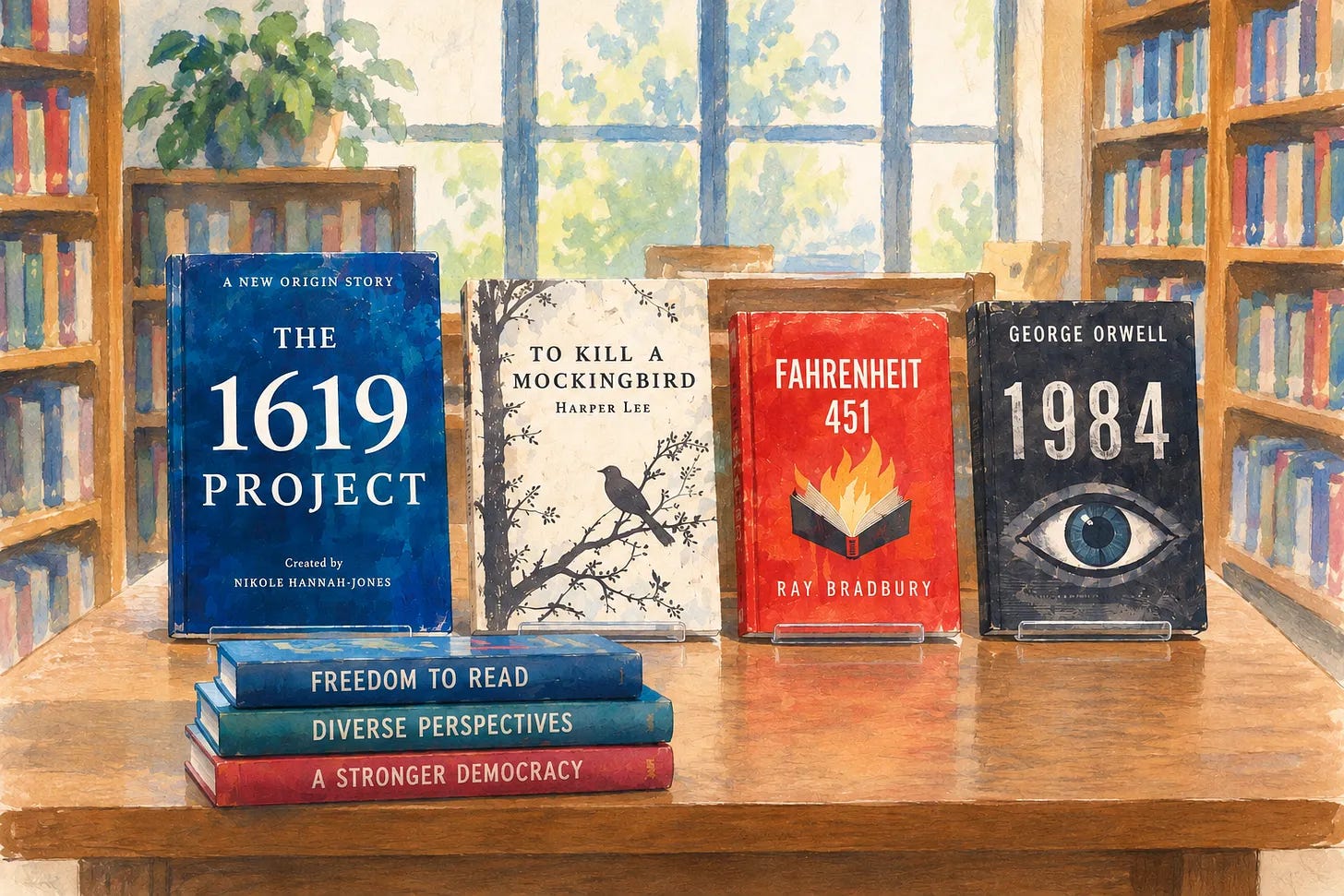
“Banned”, Really?
In her latest FAIR in Libraries article, Dr. Anne mulhern examines the debate over what qualifies as a “banned” book and argues that the focus on definitions can distract from a broader question: whether public libraries provide readers with access to a range of perspectives. Her article raises questions about viewpoint diversity, collection practices, and readers’ ability to access competing arguments. Mulhern encourages patrons to take an active role in their libraries by examining catalogues, requesting titles that are missing or difficult to access, and reporting concerns to FAIR to help promote transparency and accountability.
“The public libraries are promoting one point of view aggressively, and the other point of view is being hidden from the sight of patrons.”


There’s No Such Thing as a Reading Test
In this article, FAIR Board of Advisors member Robert Pondiscio and education scholar E.D. Hirsch argue that reading comprehension depends on more than decoding words and practicing reading strategies; it also requires background knowledge and familiarity with the subject matter. They examine how an emphasis on standardized testing and generalized reading skills can leave students without the knowledge they need to understand what they read. The authors advocate for an approach to literacy that integrates reading instruction with subjects such as science, history, and literature, helping students build the knowledge necessary for deeper comprehension. Their argument highlights the importance of ensuring students have access to a broad, coherent education that equips them to engage with a wide range of ideas and information.
“Rather, too many of our schools labor under fundamental misconceptions about reading comprehension — how it works, how to improve it, and how to test it…The more domain knowledge our children receive, the more capable they will become as readers.”

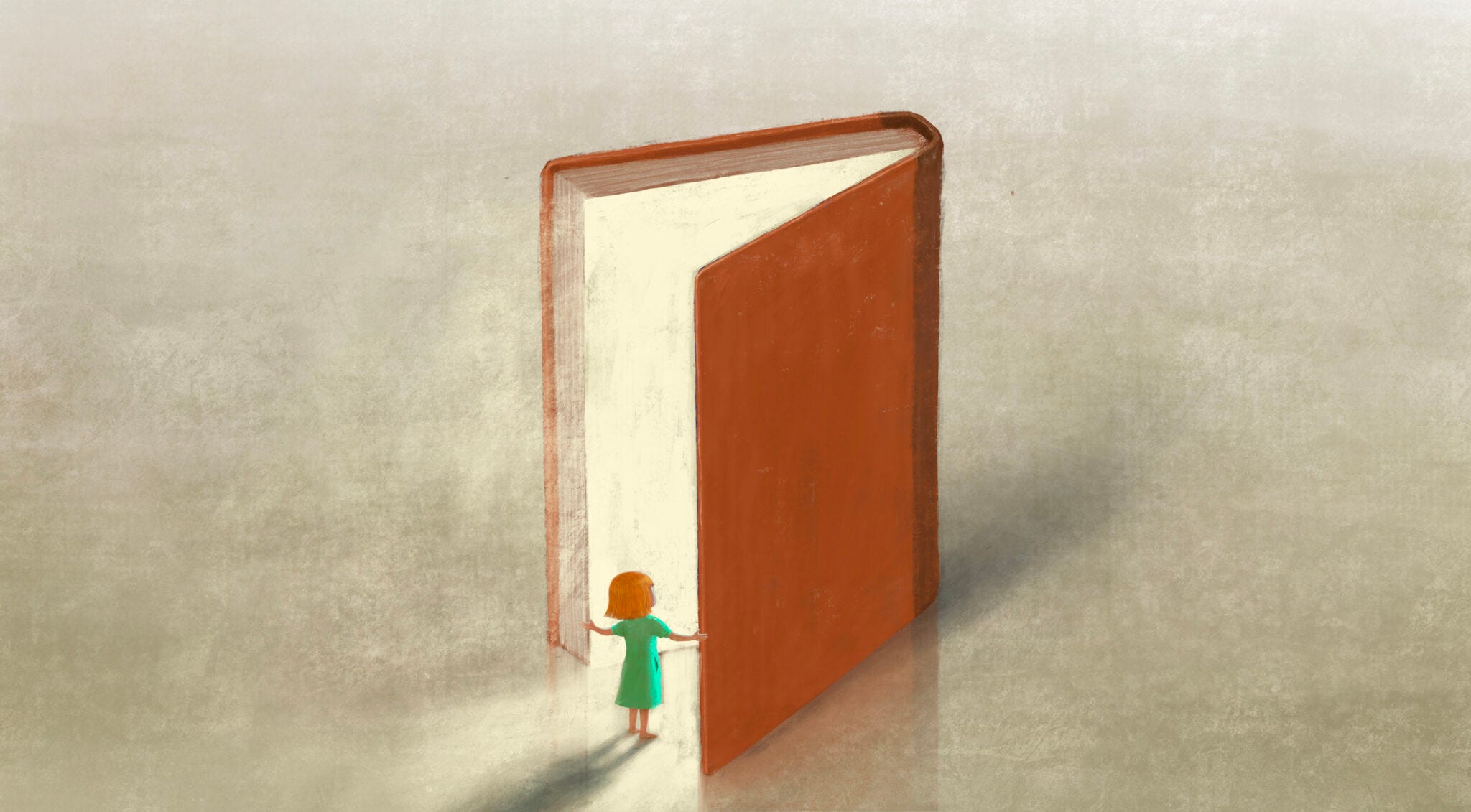
Building Resilient Libraries: Protecting Against Book Bans
In this article, Catherine Hollerbach examines how libraries can defend intellectual freedom amid increasing efforts to challenge and restrict access to books. She outlines the importance of transparent collection-development policies, consistent procedures for reconsidering challenged materials, and legal protections for libraries and their staff. Hollerbach also explores legislative efforts to safeguard access to books and the creation of book sanctuaries that preserve access to challenged titles. Her article emphasizes libraries’ responsibility to serve communities with diverse interests and perspectives while upholding readers’ freedom to choose what they read.
“Customers have the right and responsibility for what they and their children choose to check out, and for reviewing items before their kids check them out, if that is their preference. They do not, however, have the right to dictate what other parents may and may not have access to checking out.”