


Let’s Make Every Week “Freedom to Read Week”
In her latest FAIR in Libraries article, Dr. Anne mulhern challenges the way we think about censorship and intellectual freedom in public libraries. While Banned Books Week draws attention to books removed from library shelves, Dr. Mulhern asks readers to consider a different question: What about the books that never make it onto the shelves in the first place? Drawing on her experience as a former library trustee and her work documenting library collection practices, she examines how ideological bias can influence purchasing decisions and limit the range of perspectives available to patrons. Dr. Mulhern also introduces FAIR in Libraries’ new Incident Reporting initiative, which allows patrons to document cases where libraries resist clearly expressed community demand for particular books. She argues that making libraries genuinely open to every point of view requires more than celebrating banned books—it requires ensuring readers have access to the books they are asking for.
“When I was a child, it never occurred to me that political biases might determine a library’s purchasing choices. Even as an adult I did not worry much about this, since I assumed that even if there was some bias, it probably would not restrict my reading choices…I have realized that I was wrong to be complacent. There is so much to be concerned about.”

Before They Can Read
FAIR Board of Advisors member Robert Pondiscio explores the foundational role picture books play in children's literacy, cultural knowledge, and cognitive development. Rather than limiting children to a handful of recommended titles, Pondiscio argues for exposing young readers to a wide range of stories, subjects, languages, and cultural traditions. Drawing on research into vocabulary development and reading comprehension, he explains how picture books build the background knowledge children need to understand more complex texts later in life. He also makes the case for continuing to read aloud to children long after they can read independently, emphasizing that a rich literary foundation can cultivate curiosity, knowledge, and a lifelong love of reading.
“…the real aim ought to be exposing children to the widest possible range of stories, subjects, and language as possible. Picture books aren’t just charming artifacts of early childhood or a bulwark against a screen-based life. They are the foundation of literacy, cultural knowledge, and cognitive growth.”
Books Aren’t Disappearing From Schools
In a recent essay, FAIR Board of Advisors member Robert Pondiscio examines a new RAND report on whole-book reading in secondary English classrooms. While nearly 90 percent of ELA teachers report assigning at least one complete book each year, Pondiscio argues that the findings raise a more troubling question: which students are getting sustained access to books, and how often? Students in high-poverty schools, majority-nonwhite schools, multilingual learners, and students with disabilities appear less likely to encounter whole books. Pondiscio explores how testing, curriculum design, and an increasingly fragmented approach to reading may be contributing to the decline of sustained literary engagement—and makes the case for recovering a richer understanding of reading as an experience of language, knowledge, memory, and thought.

Out of Circulation: Expanding Censorship in Public Libraries
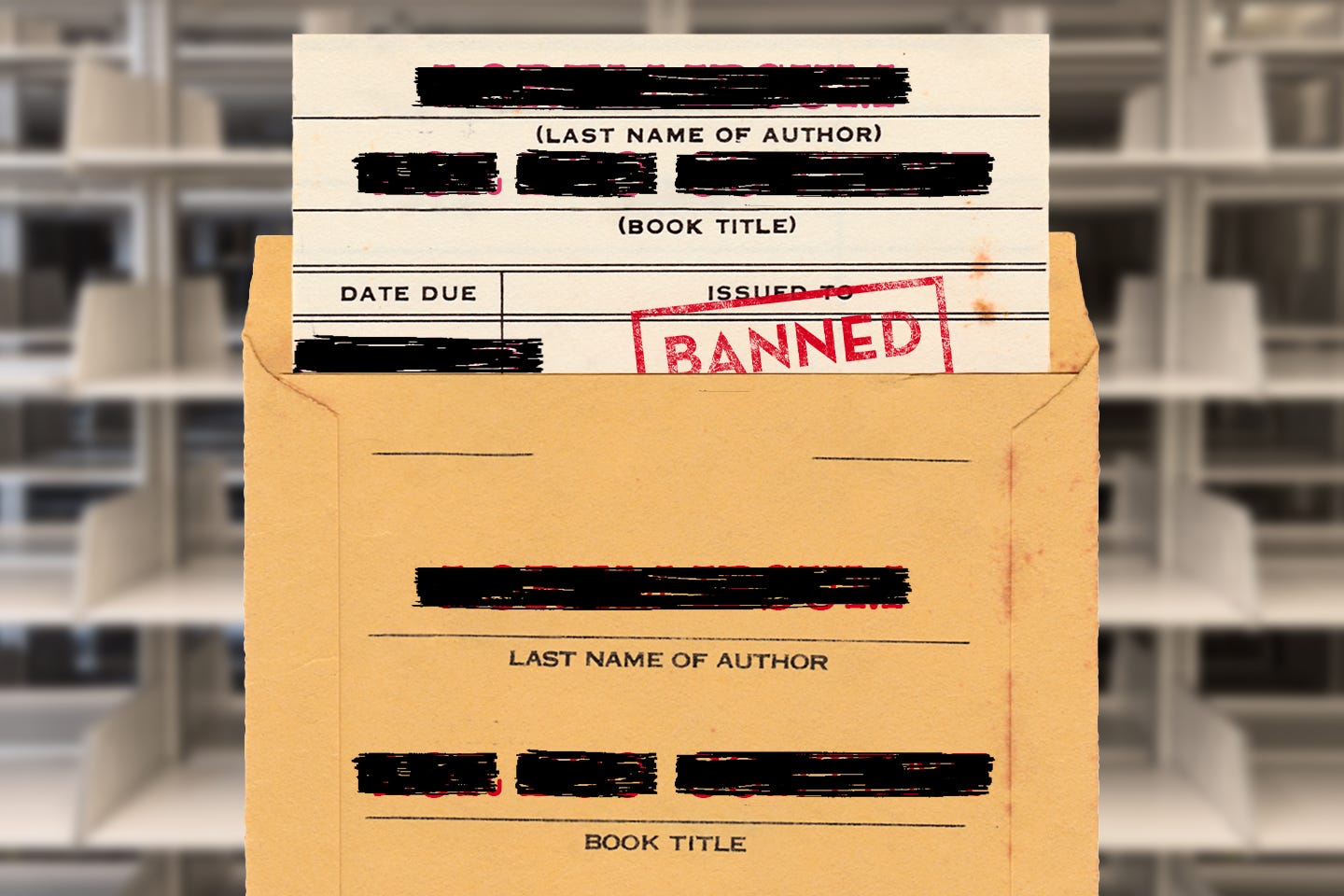
As debates over book bans continue, PEN America’s latest report, Out of Circulation: Expanding Censorship in Public Libraries, examines how censorship efforts are affecting public libraries across the country. The report documents not only challenges and removals of books, but also political pressure on librarians, restrictions on displays and programming, and efforts to influence library governance. Together, these developments raise broader questions about who decides what information remains available to the public—and what intellectual freedom means when censorship can extend beyond the removal of a single book.
“Public libraries can be a foundational democratic institution only if they can speak to everyone and only if librarians’ curation decisions can occur free from partisan pressure or restriction. However, ongoing political and public pressures are challenging these very principles.”