



“You Can’t Say That!”: How Speaking About My Experiences as a Woman Researcher Ended My Academic Career
This week, we highlighted a personal essay by postdoctoral researcher Sylvia B.
In the piece, Sylvia reflects on the professional fallout that followed her attempts to discuss the challenges women in academia face. What began as a conversation about career mobility and sex-based differences evolved into accusations, formal complaints, and ultimately her decision to leave academia altogether. Through her experience, she asks whether institutions that encourage employees to “bring their whole selves to work” truly make room for diverse perspectives and imperfect conversations—or only some of them.
“A healthy intellectual community should be able to tolerate imperfect conversations and different viewpoints. I am not rejecting inclusivity or efforts to make all people feel welcome in science. I am asking whether the exhortation to “bring your whole self to work” actually includes everyone. Instead of empowering the performatively self-righteous to demand ideological obedience, we should promote open communication and professional tolerance of different lived experiences—for all people, not just select groups.”


Breaking the Spell: White Guilt from Belfast to Britain — with Jenny Holland
In a recent episode of Man of Steele, filmmaker and writer Eli Steele speaks with Belfast-based commentator Jenny Holland about the social and political tensions unfolding in the UK. Drawing on her proximity to recent unrest in Belfast, Holland discusses immigration, policing, identity politics, and the influence of what she and Steele describe as a culture of “white guilt.” Their conversation explores concerns about institutional ideology, the changing character of Irish republicanism, and growing frustrations among segments of the British public. Together, the pair argue that many of these issues are being overlooked or misunderstood by political and cultural elites.
“The younger generation aren’t seeing the benefit of the anti-colonial resistance narrative. In fact, they’re really getting it in the rear, to be crude about it. And they know they are. They know that they’re getting fucked, basically. And they’re like: no, we’re not going to endure this — so that you can pontificate in front of a microphone about how great and good you are, and how migrants are welcome. You’re not doing that off our backs. I think there’s more of that sentiment on the ground than has been reported.”

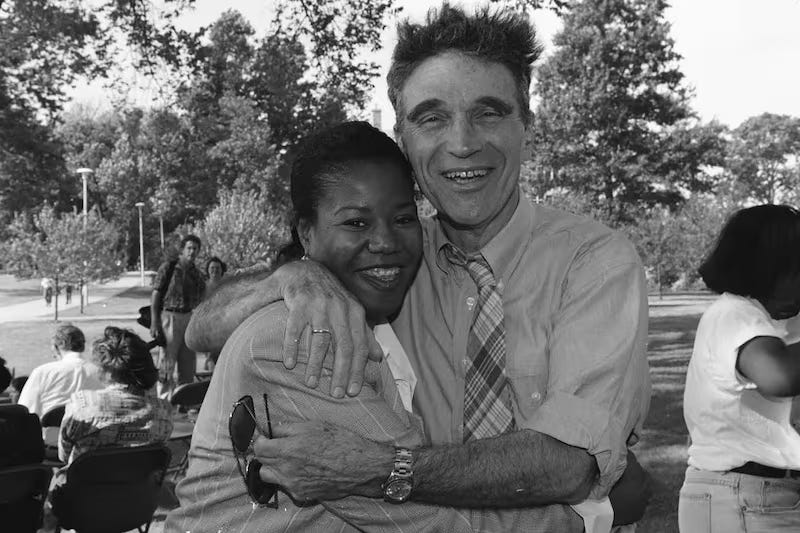
Why We Should Listen to Robert Coles — and to Each Other
Shared by FAIR board advisor Nadine Strossen, this reflection by historian Jonathan Zimmerman revisits the life and legacy of psychiatrist Robert Coles, who died on June 4. Coles spent decades listening to Americans from across racial, social, and political divides. He resisted reducing people to stereotypes, insisting that understanding begins with curiosity and conversation. He was best known for his conversations with children, especially those who had faced racial violence. Through more than 50 books and hundreds of articles, Coles championed the idea that every person—and especially every child—has something important to say. His work offers a timely reminder that listening to one another as individuals, rather than caricatures, is essential to a more humane and less polarized society.
“…every individual you meet becomes exactly that: an individual. They’re no longer a category or a caricature. They’re a human being, trying to make sense of the world. Just like you, and like me.”
“I don’t look upon them as good or bad,” Coles explained. “I look upon them as human beings, strong and sensible, weak and full of faults.” He readily acknowledged “the blindness, the distortions, the racism, the meanness” among them. But he refused to reduce them to that.”
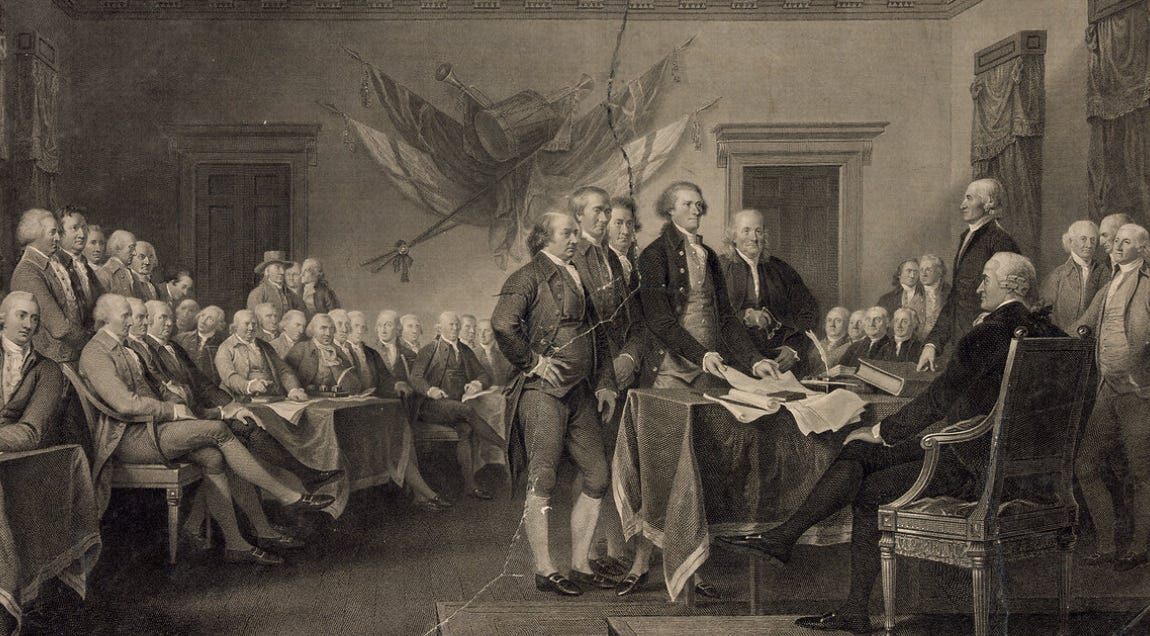
Engaged citizens built America. Today, civics education is coming back.
Can a divided nation rediscover the habits of self-government? As America nears its 250th anniversary, a growing movement to strengthen civics education aims to do just that. Across the country, students are learning not only how government works, but how to wrestle with competing interpretations of history, engage opposing viewpoints, and participate responsibly in civic life. In an era of deep polarization, many see these efforts as essential to preserving a culture of pluralism and constructive disagreement.
“Nicholas Longo, director of the Rutgers Democracy Lab at Rutgers University, says young people want to be engaged, and when they have opportunities, they do great things. In these tumultuous and highly polarized times, teaching young people civics skills can have a profound impact on society, he says.”