


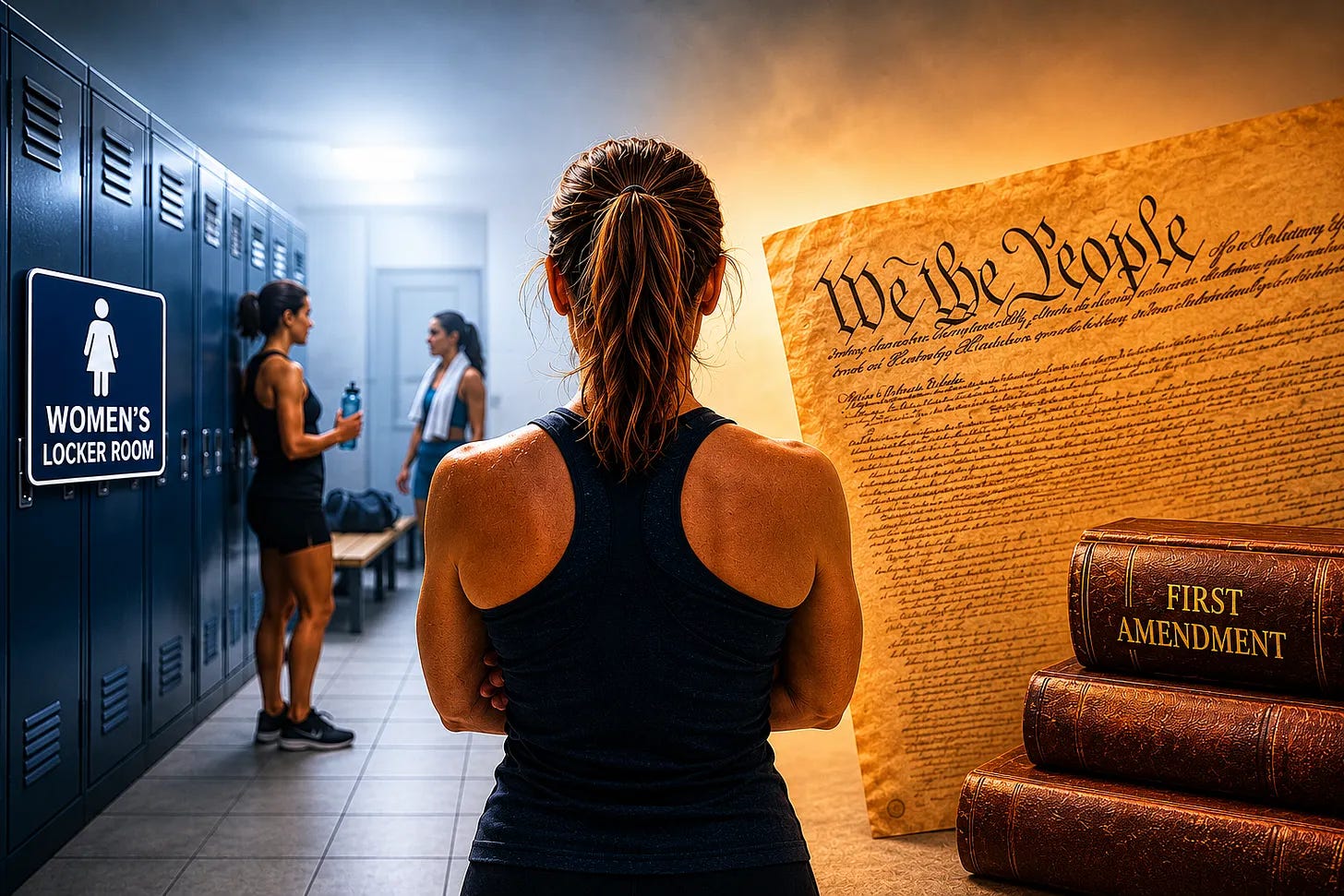
When Conscience Meets Compelled Speech
This week, we highlighted the story of Laureen Boll, a Colorado fitness instructor who says she has been forced to choose between her job and her conscience. After her employer adopted a policy requiring the use of preferred names and pronouns, Boll informed her employer that she would treat everyone with dignity and respect — but would not be compelled to speak against her sincerely held beliefs.
Her story raises broader questions about free speech, freedom of conscience, and how society can balance inclusion with the rights of individuals to hold and express differing views.
“…two things can be true at once: every person deserves to be treated with fairness and dignity — and no one should be required by the government, or a taxpayer-funded employer, to affirm beliefs they do not hold. These principles are not in conflict. They are both essential to a free society.”


White Guilt Silenced Henry Nowak
FAIR Board of Advisors member and filmmaker Eli Steele, reflects on the death of British teenager Henry Nowak and the public response that followed. Steele argues that the case raises difficult questions about race, media attention, and whether society applies the same standards of empathy and scrutiny across different groups. The essay explores how identity-based narratives can shape public perception and challenges readers to consider what a truly consistent commitment to justice would require.
“My father, Shelby Steele, has argued for years that white guilt is not merely a feeling but the accusation that whites are collectively guilty for the past racial sins of the West. The fear of this accusation drives whites to dissociate from these past sins by seeking ally-ship with people of color. Everybody is trapped in a script with whites eternally the oppressor, people of color eternally the oppressed.”
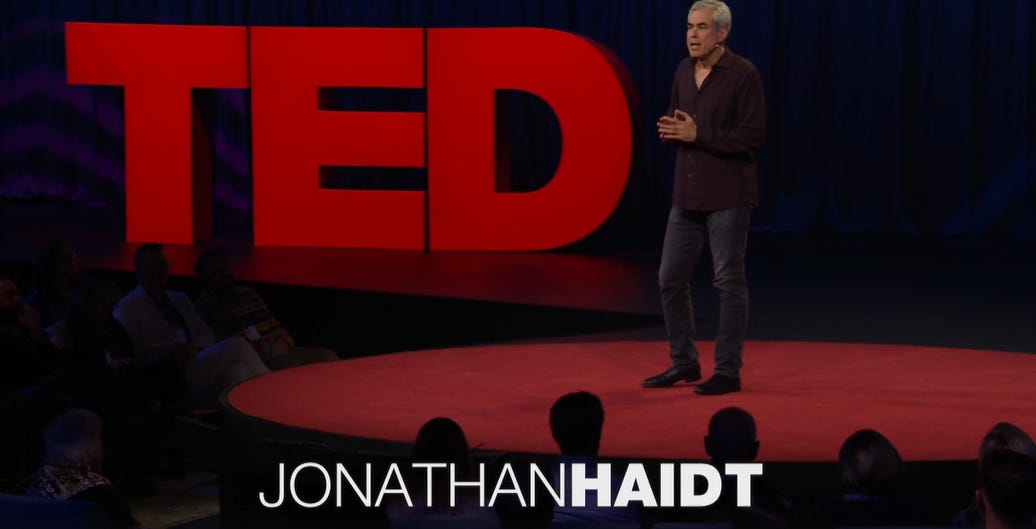
Why You Should Be a Techno-Skeptic
Social psychologist and FAIR Board of Advisors member Jonathan Haidt argues that the growing role of technology in childhood raises important questions about early development, education, and human connection. Drawing from research on social media, educational technology, and AI, he makes the case for a more cautious approach—one that prioritizes children’s development, real-world relationships, and opportunities for independent growth. Haidt’s talk is a reminder that innovation and human flourishing are not always the same thing. New technologies should be evaluated not only for what they can do, but for how they shape the lives of the people who use them.
“...human beings are ultrasocial creatures who need to matter to one another in order to flourish. We are so brilliant that we’ve invented technologies that can replace us, that can take us out of each other’s lives. But human connection is not optional. It’s who we are.”


Must U.S. and U.K. women be forced to change clothes in front of men?
Kara Dansky explores the case of Scottish nurse Sandie Peggie, who was suspended after objecting to the presence of a transgender-identifying colleague in a women's changing room. The dispute has become a focal point in the broader debate over sex-segregated spaces, workplace accommodations, and competing rights claims. As courts and policymakers continue to wrestle with these questions, the case highlights the challenge of balancing privacy, dignity, and inclusion while maintaining space for open and respectful public discussion.
"Eight years after “Me Too,” women are being…gaslighted into believing that if we have a problem with men in our intimate spaces, we are actually the problem. We are being told that we must simply deal with men’s indecent exposure and voyeurism if they call themselves women."