


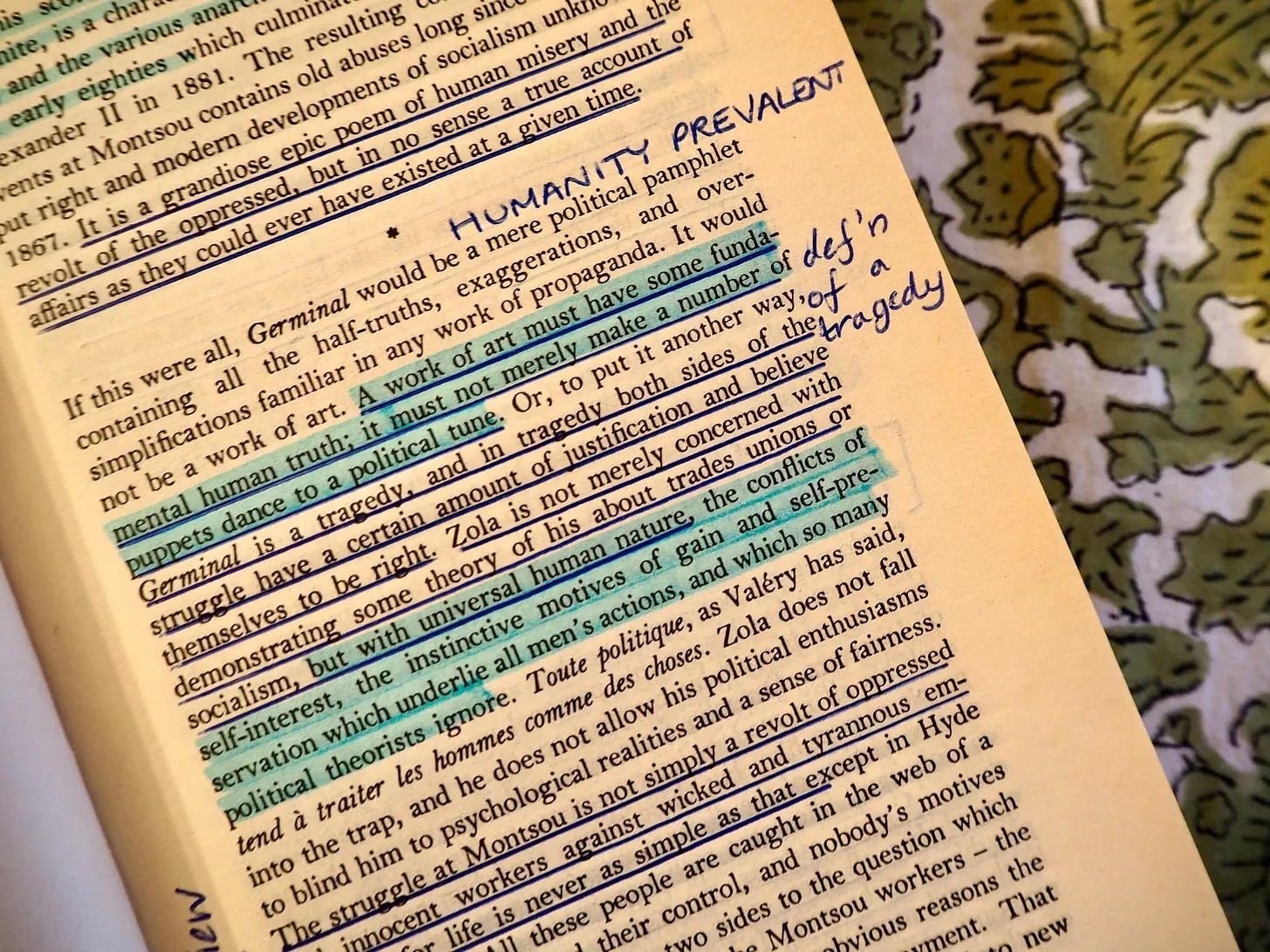
The sudden death of literature — and why we must save it
In this week's featured essay, author Kimberley Tait traces a decade-long transformation in literary publishing, from the rise of sensitivity readers and identity-based gatekeeping to the unchecked infiltration of AI-generated fiction, and argues that both forces are symptoms of the same underlying disease: the displacement of beauty, truth, and the human voice by compliance and ideology. Tait founded Dogstar Press as a direct response, launching a 100% Human seal to authenticate fiction written entirely by people. Her essay is a passionate, personal defense of literature as a sacred and irreducibly human art form.
A lifelong believer that literature is the expression of the human soul — divinely inspired to illuminate the human condition and offer meaning and light in pain and darkness — I wasn’t willing to alter my work to meet external standards. Pitching my new novel, I ran straight into the brick wall of gatekeepers, who told me my writing didn’t honor the current political and social climate, lacking relevance and committing the ultimate crime of insensitivity. Yielding to others’ sensitivities, expectations, or ideologies betrays that enlightenment and puts a stranglehold on the creative process. This leads to more and more homogeneous and theatrical literature, with authors more concerned about offending people and saying the ‘right thing’ than producing beautiful and genuine art.”

The Settlement That Admits Antisemitism Is Real
FAIR Board of Advisors member and filmmaker Eli Steele, whose documentary Killing America documented antisemitism at Menlo-Atherton High School in California, responds to a landmark settlement this week between a group of parents and the Sequoia Union High School District. The settlement requires the district to explicitly name antisemitism as a prohibited form of discrimination, adopt a definition that includes denying Jewish self-determination as a form of antisemitism, and designate the Israel-Palestine conflict as a “controversial issue” requiring impartial classroom treatment. For Steele, the settlement is a vindication — but an incomplete one. The ideology that enabled the antisemitism, he argues, remains embedded in the curriculum.
“This settlement is one of the clearest acknowledgments yet that antisemitism in our public schools is real, systemic, and can no longer be brushed aside with slogans about ‘equity’ and ‘inclusion.’ Ethnic studies, as implemented across California, pushes variations of this oppressor-oppressed model grounded in liberation ideology, and it has given antisemitism its intellectual and moral cover. Within that framework, Jewish students are placed in the ‘white’ box. Their history as a persecuted people is erased. Their ancestral identity is flattened into a racial category of convenience. But Jews are far from the only ones harmed by this. The American, the individual, is most harmed. Anytime you see the word ‘studies’ — black studies, chicano studies, ethnic studies — you are looking at the institutionalized study of victimization. The worthy victory of the settlement fixes the district. But the ideology still remains in the classroom and in the minds of many. That is the next fight.”

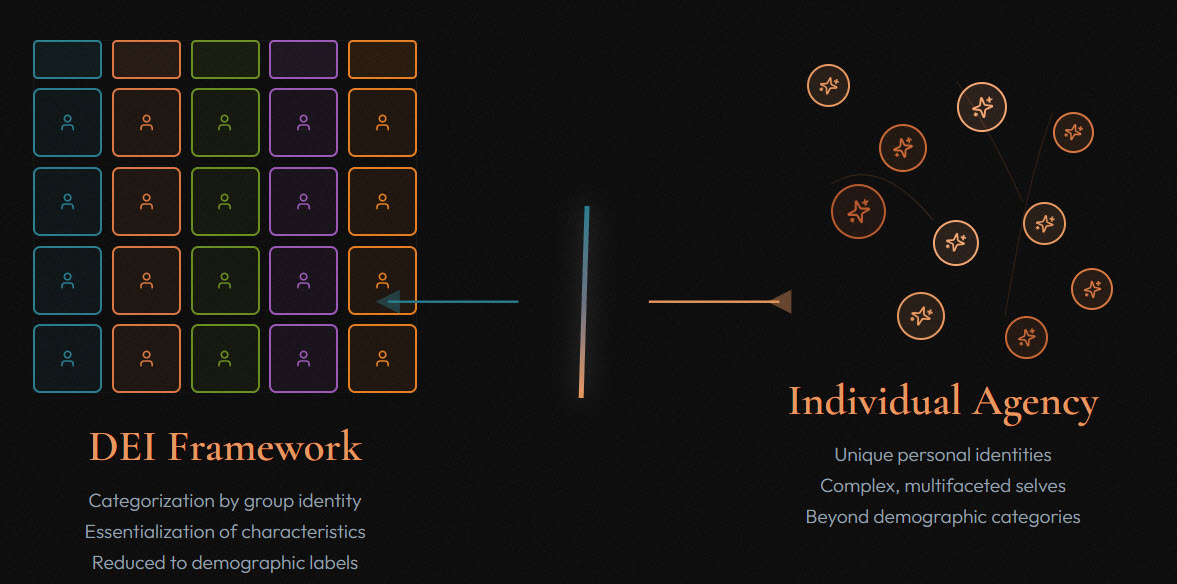
Free Speech and Respect for Student Autonomy
Political science professor Ronald Den Otter argues, drawing on his new book, that the strongest case for protecting student speech is not merely constitutional but philosophical: restricting what students can say is fundamentally incompatible with respect for their autonomy as developing individuals. Den Otter contends that paternalistic censorship — the idea that school authorities know better than students what ideas they should be exposed to — stunts intellectual growth, undermines self-reliance, and treats teenagers as incapable of the very reasoning they are in school to develop. The piece is a timely reminder that free expression in schools is not just a legal question but a moral one.
"Simply put, censorship at a public school is incompatible with respect for the autonomy of each student. When you treat teenage students as children in junior high or high school, including policing their speech, they will act like children. Nobody learns how to become more independent and responsible by being told what to do. Restrictions on speech stunt intellectual growth, self-reflection, and the acquisition of knowledge, thereby undermining the development of the autonomous capacities that help to make us who we are."
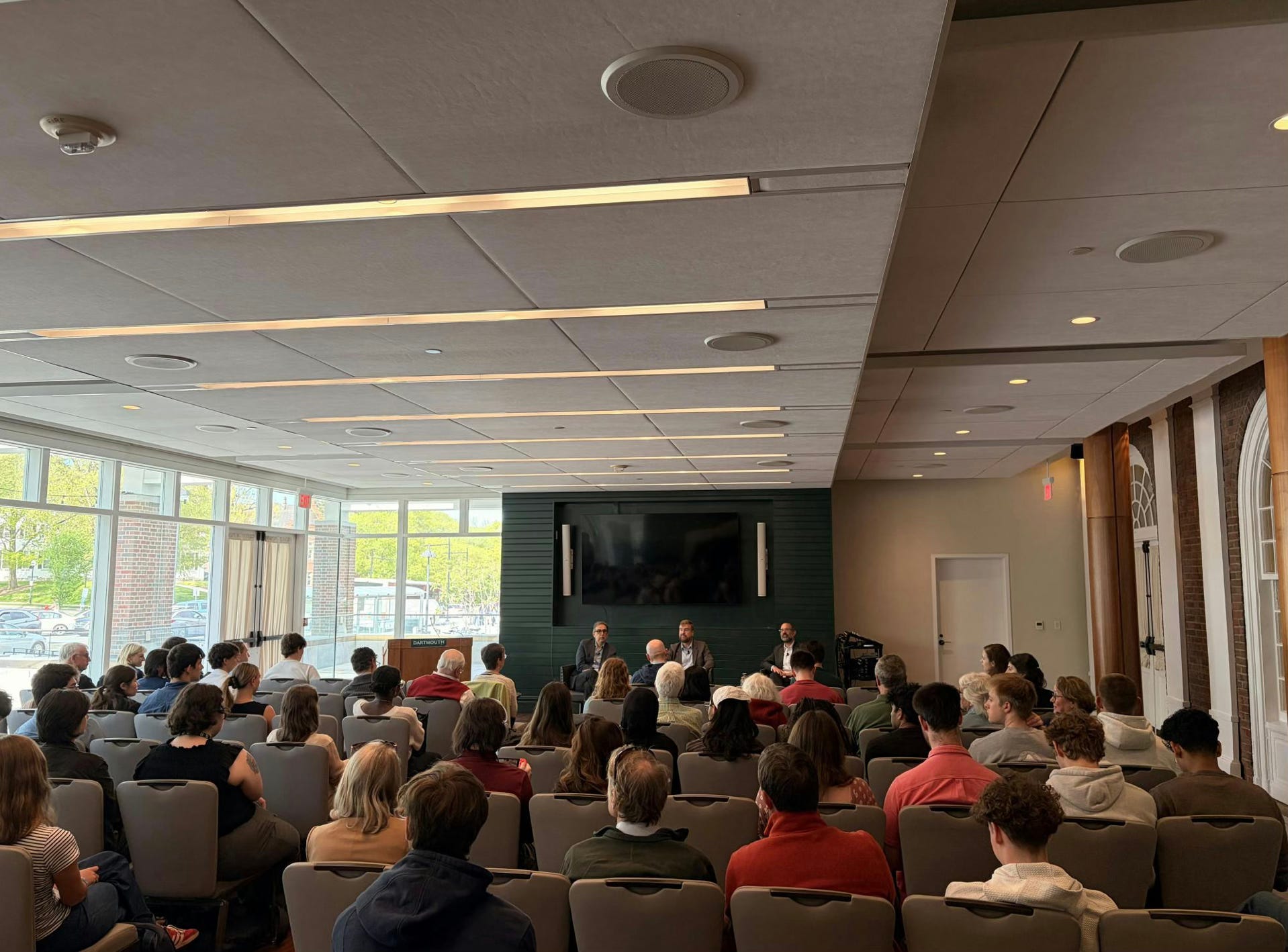
Greg Lukianoff: ‘The Worst of Both Worlds’ for Campus Free Speech
Greg Lukianoff, president of the Foundation for Individual Rights and Expression (FIRE), delivered a sharp diagnosis of the state of free expression at American universities at a Dartmouth Dialogues event this week. Lukianoff argued that higher education is now caught between two illiberal forces: the "2020-style cancel culture" that punishes faculty and students for heterodox views, and the Trump administration's "unprecedented targeting" of universities for political purposes. The result, he said, is a "terrible mess" — the worst of both worlds for anyone who cares about open inquiry. His prescription: genuine viewpoint diversity among faculty, and a commitment to "radical open-mindedness" that treats even deeply offensive ideas as worthy of engagement rather than suppression.
"We're still seeing old school, as in 2020-style, cancel culture campaigns against students and professors who step out of line in some cases. But we're also seeing massive efforts from politicians on the right to go after professors and students who say things they don't like. Higher education absolutely needs reform, but any reform must comply with the First Amendment and academic freedom. This kind of group-think leads to less intellectual honesty and consequently less trust in higher education."
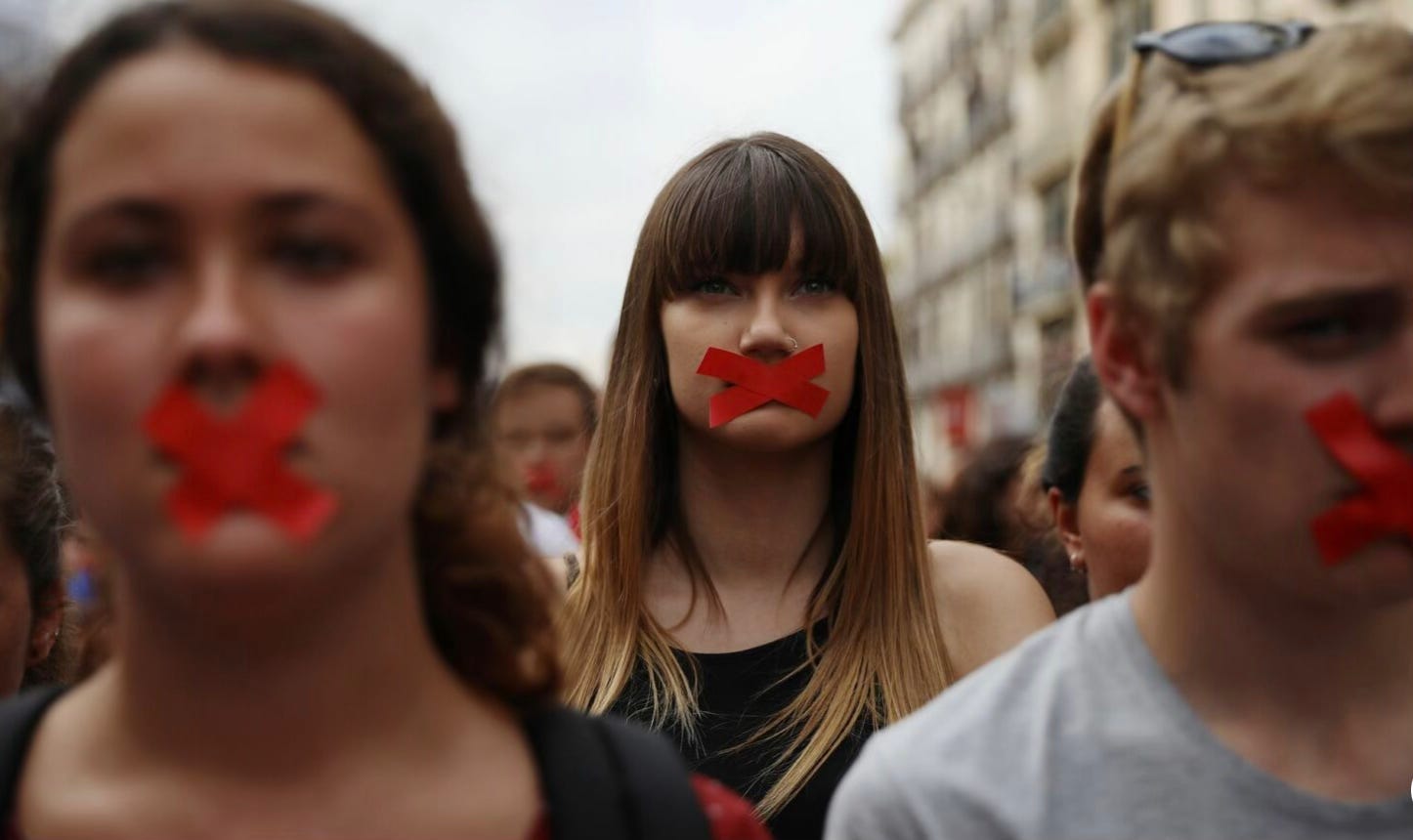
Safetyism Has Made Society Terrified of Disagreement
Writing in Spiked, political analyst Stefano Gujon examines how "safetyism," the doctrine that intellectual discomfort constitutes harm, has spread from university campuses into companies, media, and public life, with measurable and damaging results. Citing FIRE data showing that 42 percent of American university faculty self-censor during classroom discussions, a rate roughly four times higher than during the McCarthy era, Gujon argues that the institutions meant to defend free thought have become breeding grounds for illiberal conformism. The piece draws directly on the work of FAIR Advisors Jonathan Haidt and Greg Lukianoff, whose concept of "safetyism" is at the center of his analysis.
“We’re still seeing old school, as in 2020-style, cancel culture campaigns against students and professors who step out of line in some cases. But we’re also seeing massive efforts from politicians on the right to go after professors and students who say things they don’t like. Higher education absolutely needs reform, but any reform must comply with the First Amendment and academic freedom. This kind of group-think leads to less intellectual honesty and consequently less trust in higher education.”