


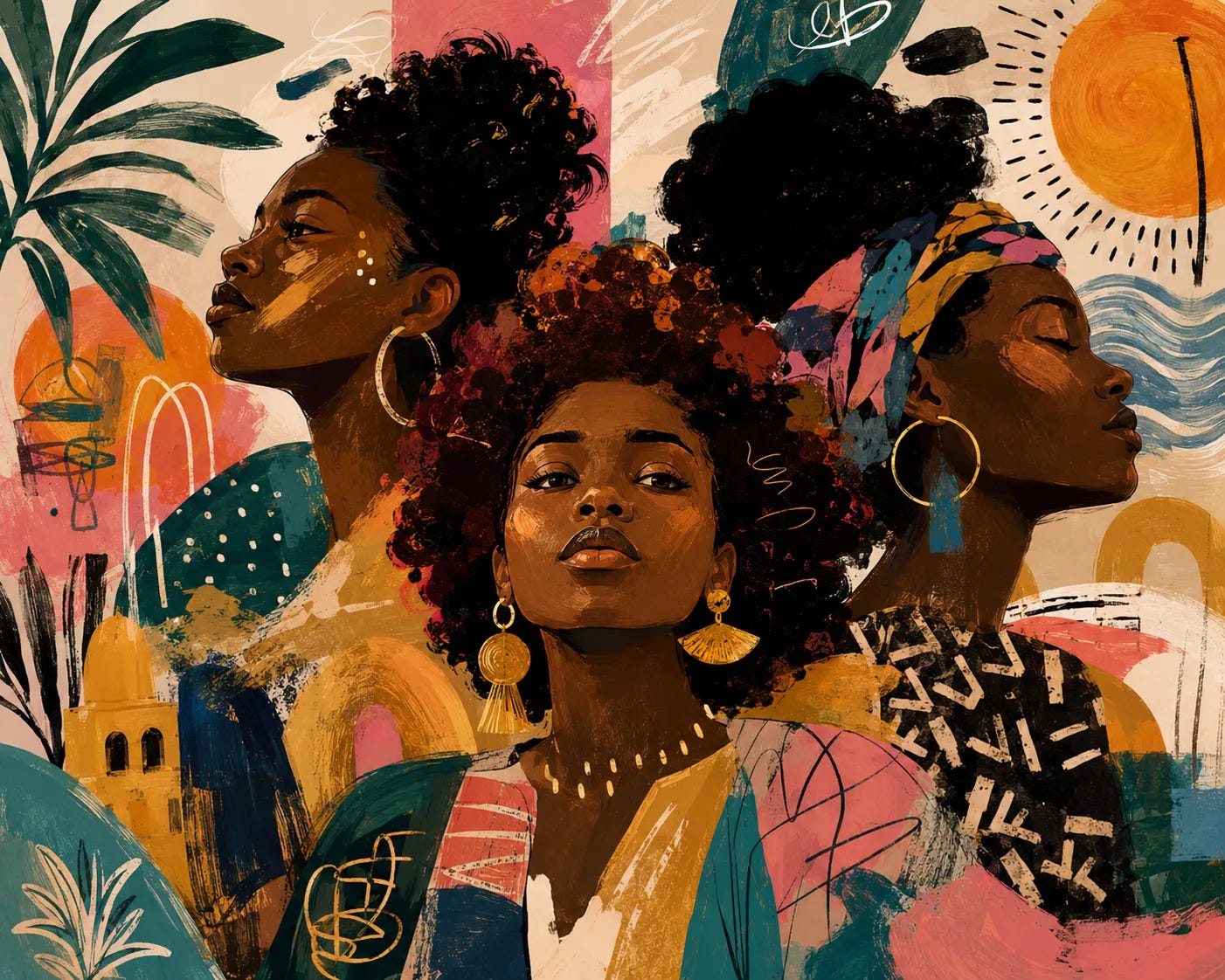
I Am Not Your “Black Friend” — An Experience of Race.
This week, we examine race, identity, belonging, and the assumptions that can shape how we see ourselves and one another. In “I Am Not Your ‘Black Friend,’” Anisa F. offers a deeply personal reflection on growing up without rigid racial categories, confronting them later in life, and navigating the expectations placed on her because of her appearance and identity. From experiences with racial bullying and cultural erasure to confronting racism from different communities, Fox considers what it means to be seen as an individual rather than a representative of a particular group. Ultimately, her essay is about the freedom to define yourself beyond the labels others place upon you—and the importance of embracing the complexity of our own stories.
“As an adult, standing up still looks like calling out injustice even when it doesn’t immediately create change, and, more importantly, accepting myself. I used to hold firmly to the identity of multiracial. I would suck in my lips, copy trends in Eurocentric fashion and never wear my hair out. Being multiracial made others more comfortable, and I experienced much better treatment when I was “exotic.” I have since accepted the racial marker Black, partially for convenience, but also because if that is what others already see me as, then fine—I will be Black, but I will be my version of Black.
I will wear my afro. I will have a story that goes against stereotypes. I will see myself and others as human first. I am an artist, an author, Polish, American, Bahamian, French-speaking, human... and yes, I am also proudly Black.”

White Guilt Releases on October 6
This week, we look at how ideas about race, identity, and history shape the stories we tell about ourselves and our society. In “White Guilt Releases on October 6,” filmmaker Eli Steele reflects on the long journey behind his new documentary, the ideas that inspired it, and his father’s decades-long examination of what he calls “white guilt.” Steele considers how these questions have increasingly entered public debate—and asks what happens when a society assigns permanent guilt to an entire race. The piece offers a look at the film’s origins, the cultural conversations surrounding it, and the broader questions Steele hopes the documentary will provoke.
“The one thing I admire about my father is that he took the blows for warning about white guilt when there was no reward for it. There was only a cost. This was in the 1990s and the 2000s, which were brutal, isolating times in the culture wars. CNN and the New York Times and the like iced him out completely. Universities stopped inviting him. If the left could not debate his ideas, they would isolate him to the margins. His books were dropped from bookstores and libraries.”

Deracialization Now
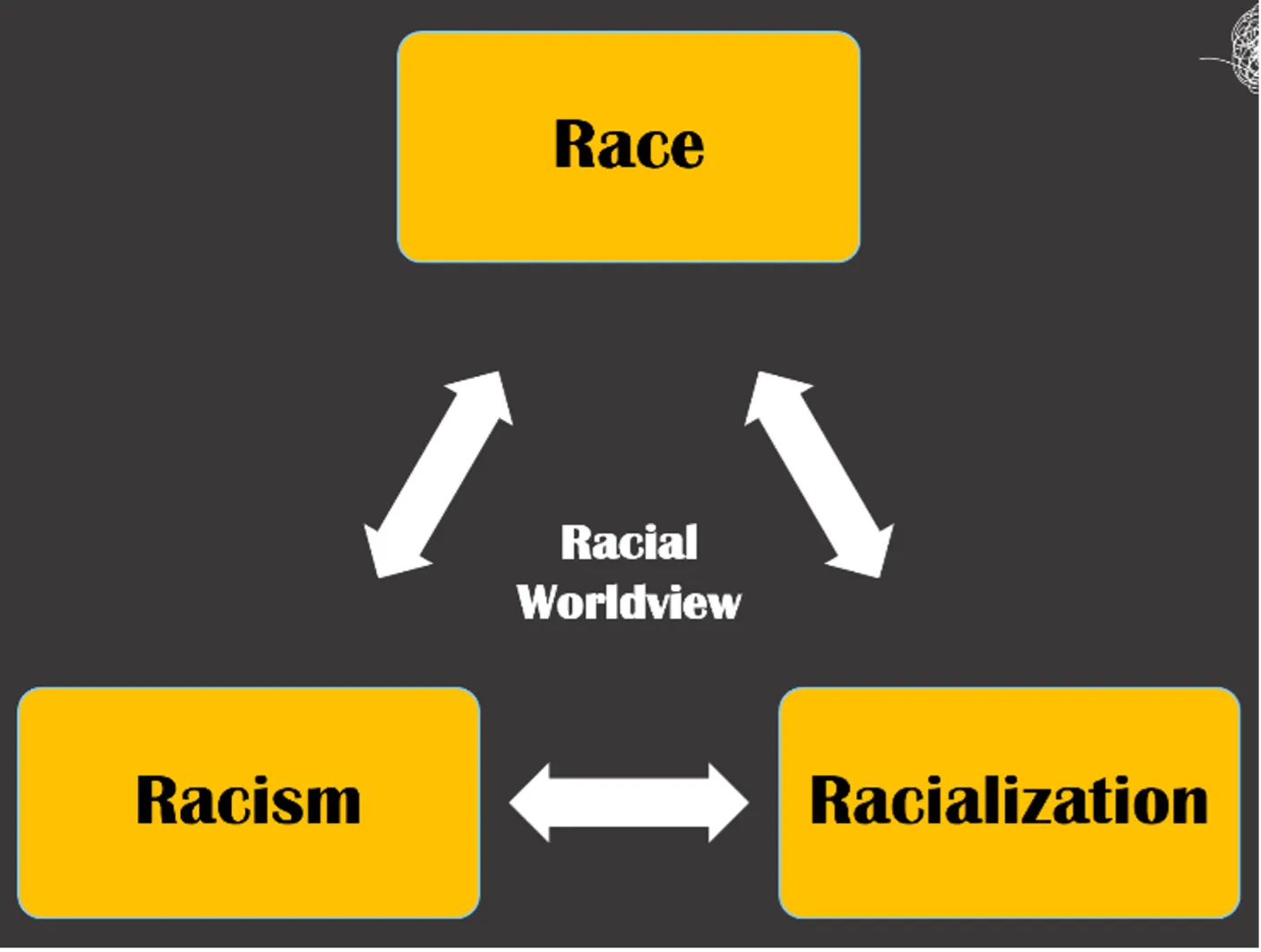
Deracialization Now explores the possibility of moving beyond race as a defining category of identity and public life. Greg Thomas argues for separating race from culture and heritage, allowing people to embrace their histories without being bound by racial classifications or stereotypes. Drawing on thinkers including Glenn Loury, John McWhorter, Kmele Foster, and Charles Johnson, the essay asks whether a more individualistic, human-centered approach to identity could help Americans move toward greater pluralism and shared civic life.
“By definition and intent, race separates and divides. Conflating race and culture twists and tightens this division. Separating or bracketing culture from race tends toward appreciating human commonalities and differences in a more nuanced manner than judging and stereotyping groups of people based on skin color will allow.”