When Words Lose Their Meaning, Dance
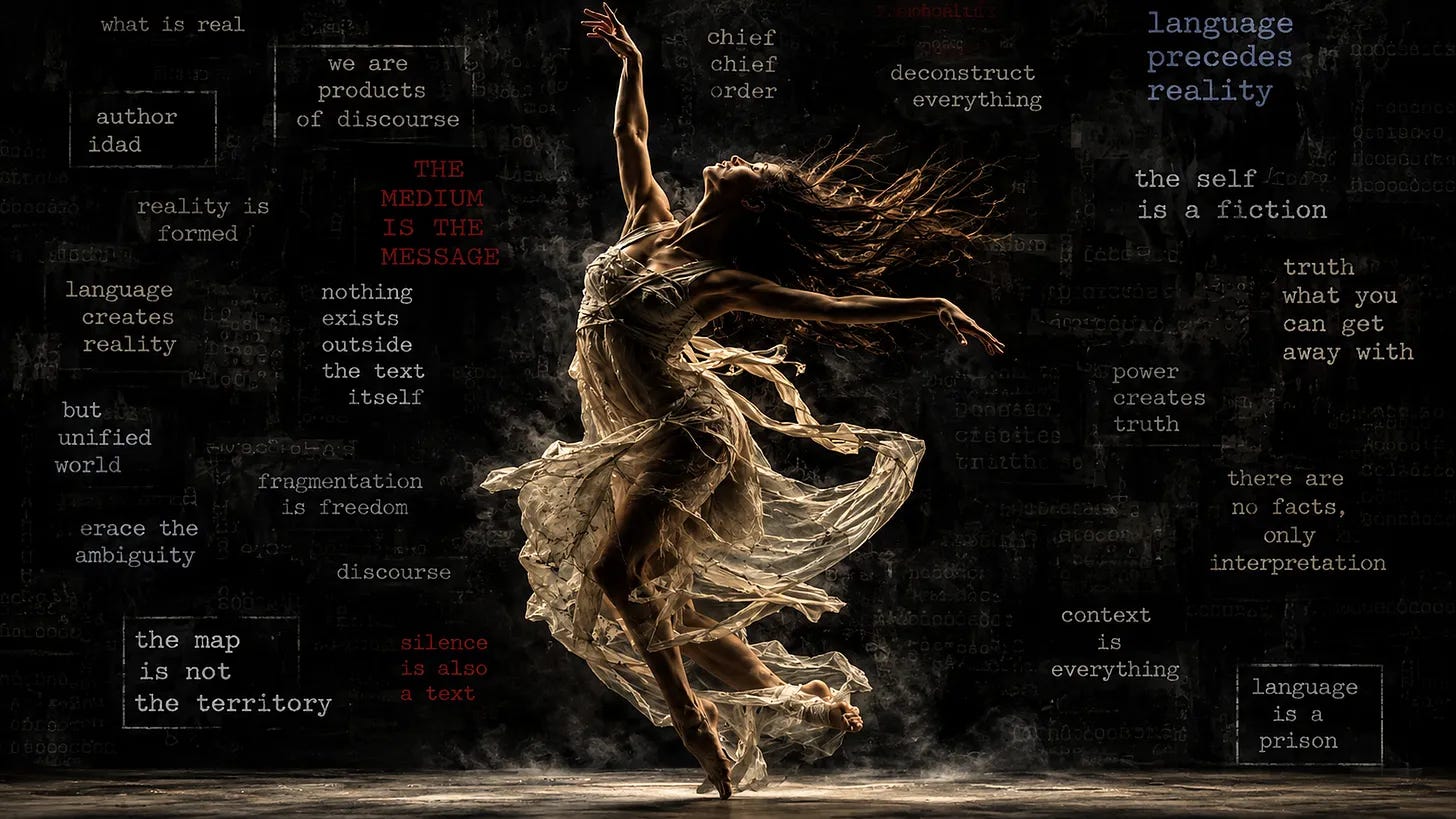
Karen JP Howes , Interim Director of FAIR in the Arts, explores the growing disconnect between language and reality, arguing that words have become increasingly unreliable tools for communicating shared truths. Drawing on philosophy, culture, and personal experience, she makes the case for returning to forms of expression that transcend language, including dance, poetry, painting, and music. Howes also highlights the vision behind FAIR in the Arts: building a community that champions artistic freedom, intellectual curiosity, and creative expression.
“Advice to the poets, painters, dancers and musicians: emerge from the ideological rubble while you still can. Tell your policy makers, your school boards, your galleries, theaters, and legislators that there’s no such thing as “chest-feeding.” It’s called “breastfeeding.” Make it known that boys’ bathrooms do not need a supply of tampons. Do this before someone decides that Madonna and Child must be renamed Person Who Gave Birth and Child.”

From Saul Bellow to “Hitler Youth”
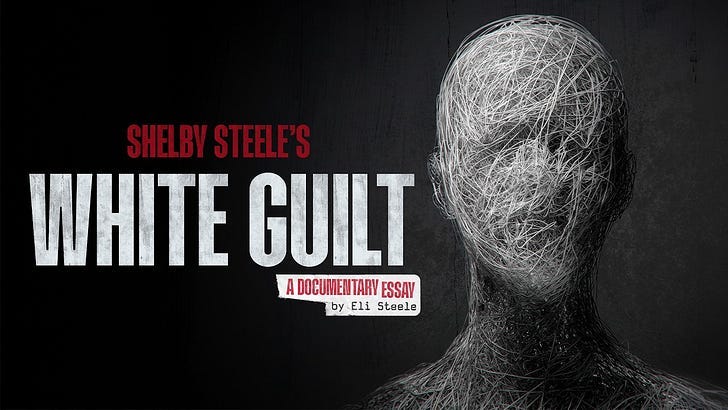
In this article, FAIR Board of Advisors member Eli Steele recounts how high school students organizing a screening of his documentary White Guilt were labeled “Nazis” and “Hitler Youth” by members of their community. Steele argues that these accusations reflect a broader intolerance of opposing viewpoints, describing how students feel discouraged from expressing their beliefs for fear of ridicule. He makes the case for protecting open dialogue and viewpoint diversity, emphasizing that students should be able to encounter, question, and challenge perspectives different from their own without being demonized.
Buy your ticket in support of the film and our artists ($10, $15, $25) here:
White Guilt Screening ticket + $15 support — $25
White Guilt Screening ticket + $5 support — $15
White Guilt Screening ticket — $10
Watch at your convenience: Ticket holders will receive a personal FAIR access code and can watch White Guilt anytime from Friday, November 27 through Tuesday, December 1st.
Join the conversation on Tuesday, December 1st at 7:00 p.m. ET / 4:00 p.m.
“In 1987, Allan Bloom of the University of Chicago warned us about the closing of the American mind. In 2017, New Trier ignored that warning with a “Seminar Day” lineup that featured only Left thought. When parents from New Trier Neighbors asked for viewpoint diversity, they were called bigots and racists. Mother Jones branded their request “The Right-Wing Attack on Public Education,” as Mark Glennon noted.”

Artistic Empathy in Music Education
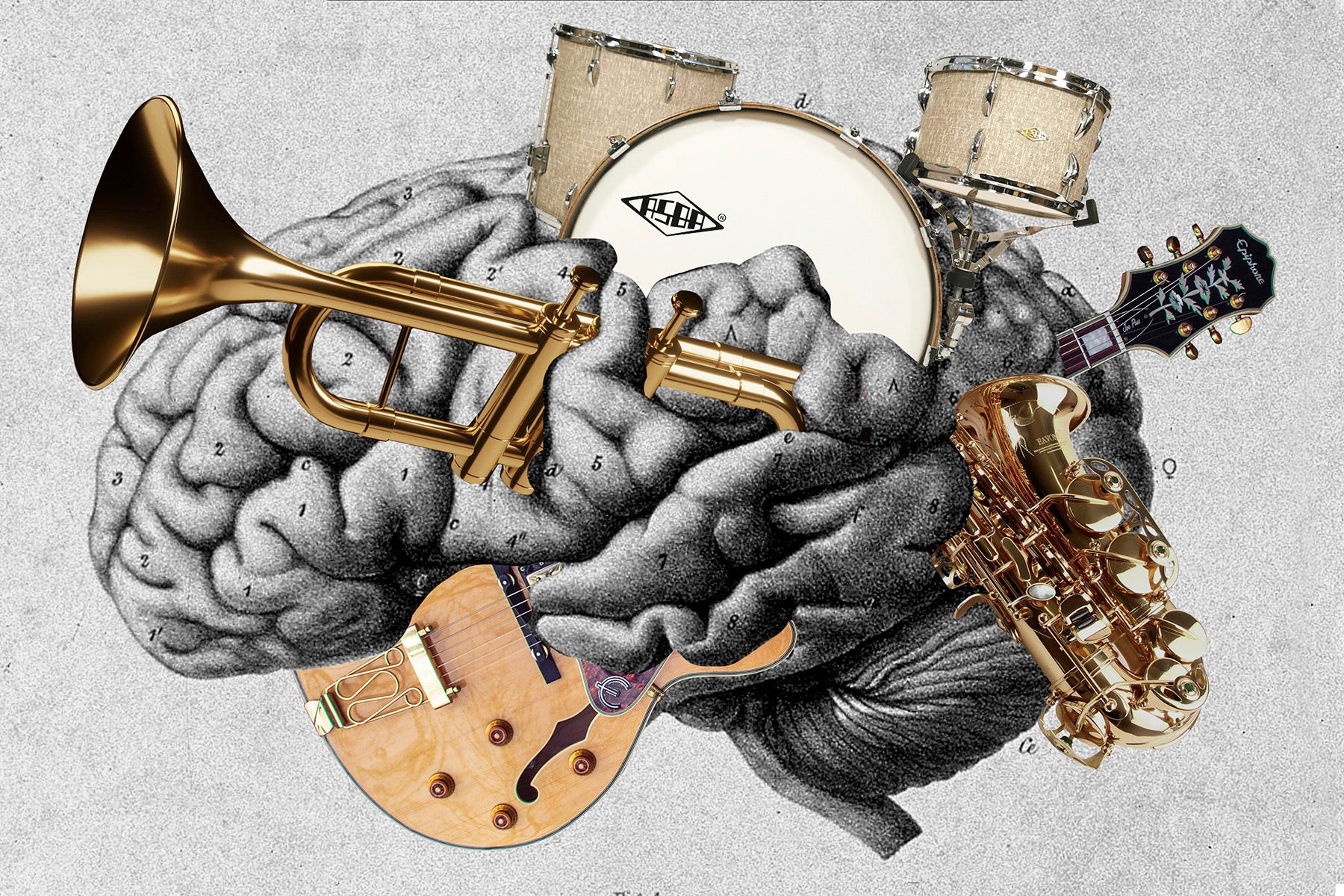
In this study, Nicholas R. McBride and Cara Faith Bernard explore how music and the arts can help students understand experiences beyond their own. They argue that artistic expression can cultivate empathy, encourage meaningful connections, and create opportunities to engage with different perspectives. The authors propose a framework for music education that uses listening, reflection, and creative expression to foster social understanding, particularly at a time when political and cultural divisions increasingly shape what can be taught and discussed in classrooms.
“At the heart of the resonant arc is the empathic bridge—a symbolic, artistic, or personal conduit that carries one from the familiar world into the lived perspective of another. The empathic bridge draws upon one’s existing ways of knowing—biases, cultural background, prior experiences—and links the familiar to the unfamiliar through a resonant point of contact: a song, a painting, a story, a familiar face, or a cultural reference, enabling a psychological “pivot”—a moment when the familiar acts as a safe passageway into the unfamiliar…”
Culture professionals ‘afraid to speak freely’
In this article, Geraldine Kendall Adams examines growing concerns about censorship and self-censorship in the arts. Drawing on a new survey of UK culture professionals, she explores how fear of professional backlash, institutional pressure, and ideological disagreements can discourage artists and arts workers from expressing controversial opinions. The article also considers the debate over where free speech ends and accountability begins, raising important questions about the need to protect open discussion and artistic freedom across the cultural sector.
“Without that balance, the concept of free speech can quickly become toxic—undermining trust, silencing others, and reinforcing harmful power dynamics. If we want a truly inclusive and dynamic sector, we must build cultures where artists and arts workers feel safe to speak—and be heard—not shouted over.”