

Dear Friends of FAIR,
Over the past few weeks, we’ve unveiled elements of FAIR’s groundbreaking American Experience Curriculum – from its philosophical foundations to its innovative teaching methods. We’ve introduced the curriculum’s balanced approach to exploring America’s complex history, its emphasis on shared values, and its focus on civil discourse skills. Now it’s time to meet the scholars and experts who crafted and reviewed each lesson with intention and care and made FAIR’s vision a reality.
Their combined expertise in history education, curriculum development, and educational leadership has created something truly unique in today’s polarized landscape: a Social Studies course that neither minimizes America’s struggles nor focuses exclusively on its failures, but instead offers students a path to understanding our shared story with honesty and hope.
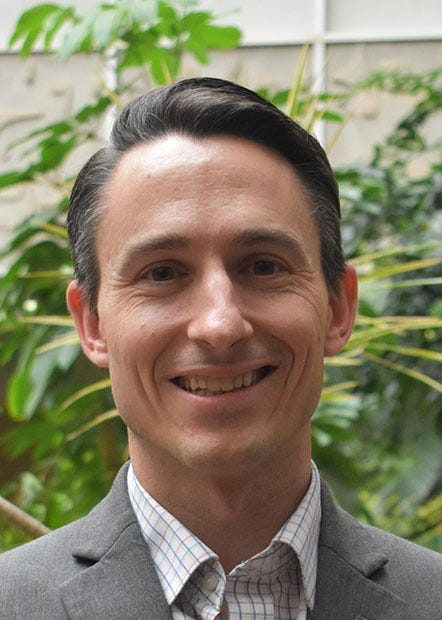
Dr. Adam Seagrave - Academic Visionary
As Associate Professor of Civic and Economic Thought and Leadership at Arizona State University, Dr. Seagrave brings profound scholarly expertise to FAIR's curriculum. Co-author of Race and the American Story (Oxford University Press, 2024) and recipient of the American Legion National Education Award for achievements in K-12 civics education, he has dedicated his career to helping students understand the complex relationship between American ideals and historical realities. Dr. Seagrave’s leadership on the Educating for American Democracy project and extensive work with K-12 educators ensures FAIR’s curriculum is both academically rigorous and classroom-ready.
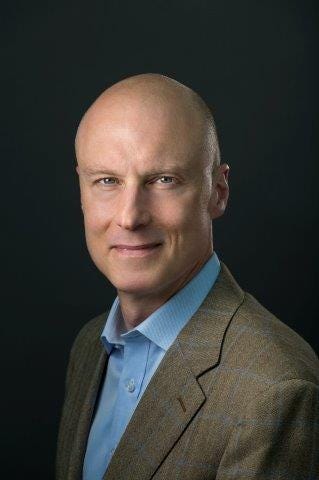
Dr. David Ferrero - Educational Innovation Specialist
As an independent education consultant specializing in school redesign, Dr. Ferrero brings a unique perspective on educational transformation to the FAIR curriculum. With teaching experience at the Universities of Michigan, Washington, and Drexel, plus a background in journalism and high school teaching, he understands education from multiple vantage points. His scholarly focus on the philosophical foundations of education in pluralistic societies makes him ideally suited to develop a curriculum that respects diverse perspectives while seeking common ground. As a FAIR Education Fellow, Dr. Ferrero contributes original lesson content and ensures that our curriculum provides positive alternatives to divisive approaches.
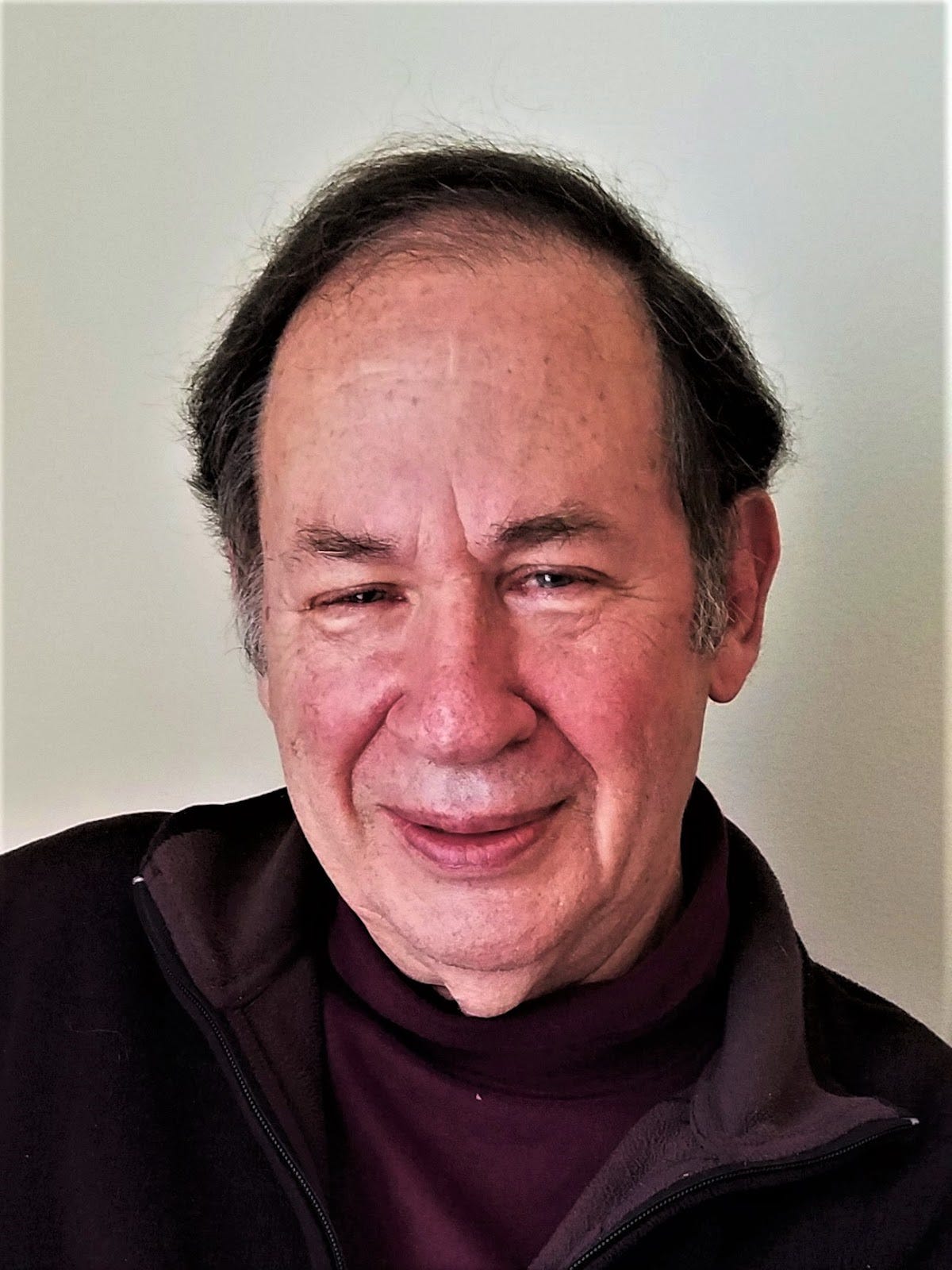
Jonathan Burack - Master Curriculum Developer
With over three decades developing history materials and conducting teacher workshops nationwide, Jonathan Burack brings unparalleled curriculum expertise to the team. A Harvard graduate with an M.A.T. degree, Jonathan created the acclaimed MindSparks history materials, focusing on primary source interpretation and historical thinking skills. His development of programs like History Unfolding and Debating the Documents has shaped how countless students engage with historical materials. Jonathan’s deep experience teaching in diverse school settings and his lifelong fascination with America’s complex past informs many lessons in FAIR’s curriculum, from the immigrant experience to the impact of world wars on American culture and identity.
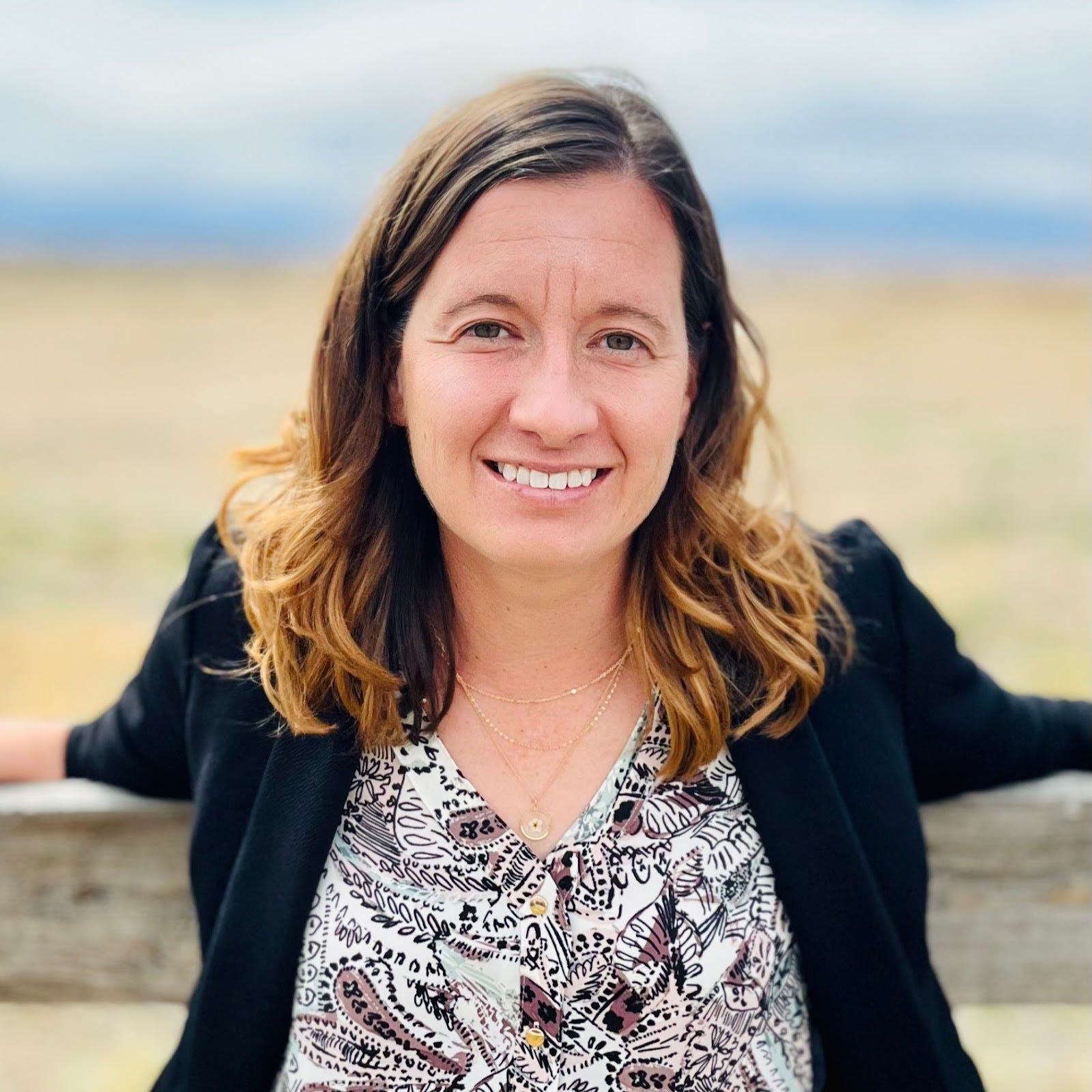
Dr. Kobi Nelson - Curriculum Design Expert
With a Ph.D. in Education and Human Development and two decades of educational experience, Dr. Nelson brings classroom-tested expertise to the Capstone portion of FAIR’s curriculum. Her diverse background includes teaching graduate seminar courses in secondary reading instruction, serving as a site professor for prospective teachers, teaching English Language Arts, working with multilingual learners, and facilitating professional learning communities. Dr. Nelson’s talent for developing dynamic curriculum materials and her deep understanding of student engagement and diverse learning needs were instrumental in creating a culminating project that will resonate with both teachers and students.
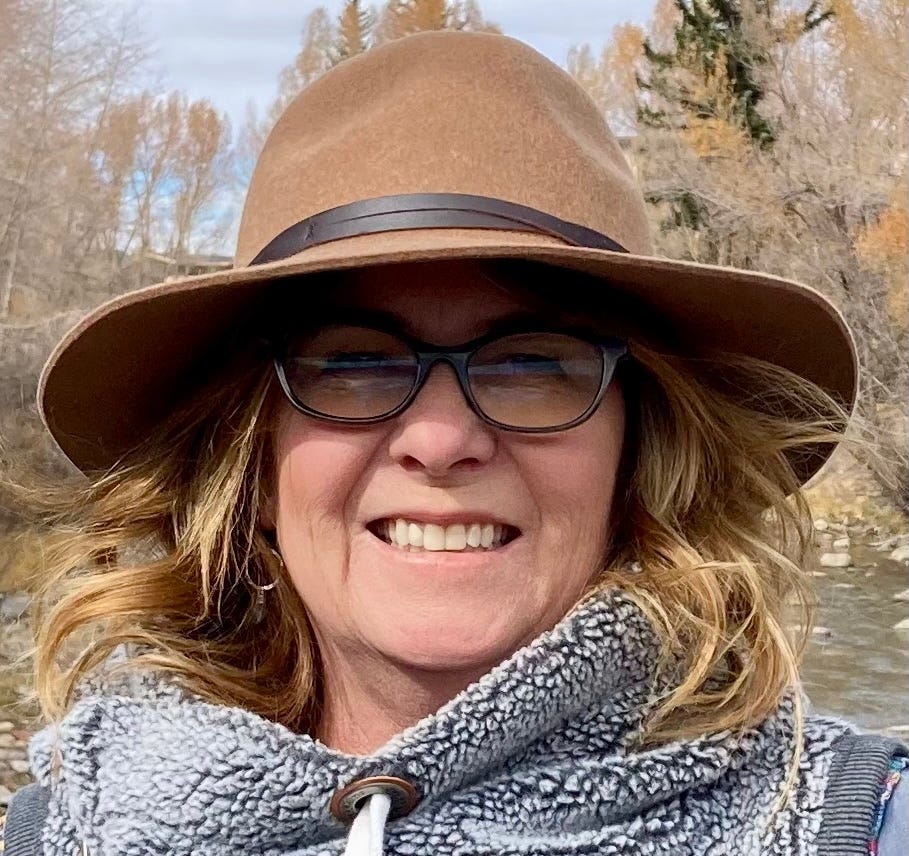
Lisa Gilbert - Curriculum Coordinator
A seasoned public health professional with a Master’s degree from UCLA’s School of Public Health, Lisa Gilbert brings a unique perspective on youth development to FAIR’s team. Drawing on 25 years of experience planning, implementing and evaluating public health programs in public and non-profit settings, Ms. Gilbert’s career spans across design and administration of programs at Kaiser Permanente, a youth service agency, and Santa Barbara County’s Public Health Department and its Alcohol, Drug and Mental Health Services. Having designed numerous adolescent-focused educational programs and curricula, Lisa applies her expertise and passion for promoting positive interpersonal connections among youth to the refinement and development of FAIR’s lesson plans and materials.

Dr. Ashley Rogers Berner - Academic Standards Guardian
As Deputy Director of the Johns Hopkins Institute for Education Policy and Associate Professor in the Johns Hopkins School of Education, Dr. Berner leads a team of reviewers ensuring that FAIR’s curriculum meets the highest academic standards. Her role as former Co-director of Moral Foundations of Education at the Institute for Advanced Studies in Culture brings valuable perspective on ethical dimensions of education. The rigorous review process led by Dr. Berner guarantees that FAIR’s curriculum satisfies educational standards for both American Social Studies and Ethnic Studies.
A Deeper Dive Into FAIR’s Curriculum
This week we’re also excited to provide a deeper look into the structure and content of The American Experience Curriculum, including:
A comprehensive lesson outline covering all nine units of the curriculum, from “Understanding Identity” to “The Future of American Pluralism”
A complete sample unit with detailed lesson plans illustrating how concepts introduced in lessons build progressively throughout each unit
Teaching resources that demonstrate FAIR’s unique civil discourse methodology
Examples of how character strengths and civil discourse are woven throughout lessons
As you explore this material, you’ll see that our team has crafted a journey through American pluralism that fosters a comprehensive understanding of identity, the principles of American governance, and the history and future of American pluralism.
Your generous support will help us finalize production, train teachers on-the-ground, and implement this groundbreaking curriculum in classrooms across America. Every donation brings us closer to transforming how students learn about our shared American story.
Donate today and help create meaningful, lasting change in the hearts and minds of young Americans for generations to come!
With hope and gratitude,
Monica Harris
Executive Director


FAIR Arts Community Meetup: Ted & Courtney Balaker
On July 1st, join FAIR in the Arts for our community meetup with award-winning filmmakers TED & COURTNEY BALAKER.
After producing for Universal Pictures, Dimension, ABC News, Reason TV, PBS and others, Courtney and Ted Balaker founded Korchula Productions in 2011 with the motto—making important ideas entertaining.
Their films have won dozens of awards and have been released in theaters and on many popular platforms including Netflix, Prime Video, and Apple TV+. Their projects have been lauded and amplified by many diverse voices including Elon Musk, Seth MacFarlane, Larry Elder, John Stossel, Congressmen Thomas Massie, Jamie Raskin, and Dana Rohrabacher as well as publications such as The San Francisco Chronicle, Washington Post, National Review, and The Hollywood Reporter.
The Balakers’ films include Little Pink House starring two-time Oscar nominee Catherine Keener; Can We Take a Joke?, which features comedians such as Gilbert Gottfried, Adam Carolla, and Penn Jillette; and The Coddling of the American Mind, a documentary based on The New York Times bestselling book by Greg Lukianoff and Jonathan Haidt. The Balakers have recently finished writing the screenplay for a new feature called Troubled, which is based on the bestselling memoir by Rob Henderson.

Join FAIR in Conversation July 23rd at 7pm ET for a lively discussion! Evolutionary psychologist Gad Saad establishes the argument that certain ideological movements undermine rational thought and stifle intellectual diversity. Employing the metaphor of a parasite to describe how these harmful ideas infect our minds and are spread through cultural institutions to distort our ability to engage in critical thinking, Saad examines postmodernism, identity politics, radical feminism, and cultural relativism, claiming that these ideas not only encourage censorship and erode individual freedoms but also threaten the foundational principles of Western civilization, including reason, scientific inquiry, and freedom of speech, expression, and thought.


FAIR News Podcast
For audio versions of our FAIR News and FAIR Weekly Roundup newsletters, subscribe and listen to FAIR News Weekly on Apple Podcasts, Spotify, Google Podcasts, or via RSS feed.
FAIR Educators Alliance & Other Networks

Connect with other pro-human educators through the FAIR Educators Alliance. We bring together educators from all levels to share experiences and work on developing resources that can support teachers, community members, and FAIR chapters.
Teachers, administrators, librarians, and educators of all kinds are welcome. For more information and to join any of these networks, please email educators@fairforall.org.
Join the FAIR Community
Join us, and become a member of FAIR.
Become a FAIR volunteer, or join a FAIR chapter.
Sign-up for a Welcome to FAIR Zoom information session to learn more about our mission.
Share your reviews and incident reports on our FAIR Transparency website.
But does your curriculum provide the greater context in which the American Experience was/is developed?
- built on individual rights AND personal responsibility?
- built on Judeo-Christian values.
- that slavery was common throughout the world and done to and by people of all races. That the U.S. was among the first countries to ban slavery. That thousands of US citizens fought and dies to end slavery. Slavery was/is not a white people thing, but white people with Western values were the first to ban slavery. Slavery is horrible. How great then is it that old white guys (not really old) were the ones to eradicate it?
- that colonialism was done by many different cultures. It was not a white thing. But white people examined how it has adverse effects and has taken step to mitigate harm.
To understand the American experience you need to provide the context.
I have received three job settlements for sex discrimination against men, and one settlement for black racism. In each case, they never tried to hide the discrimination.