

Dear Friends of FAIR,
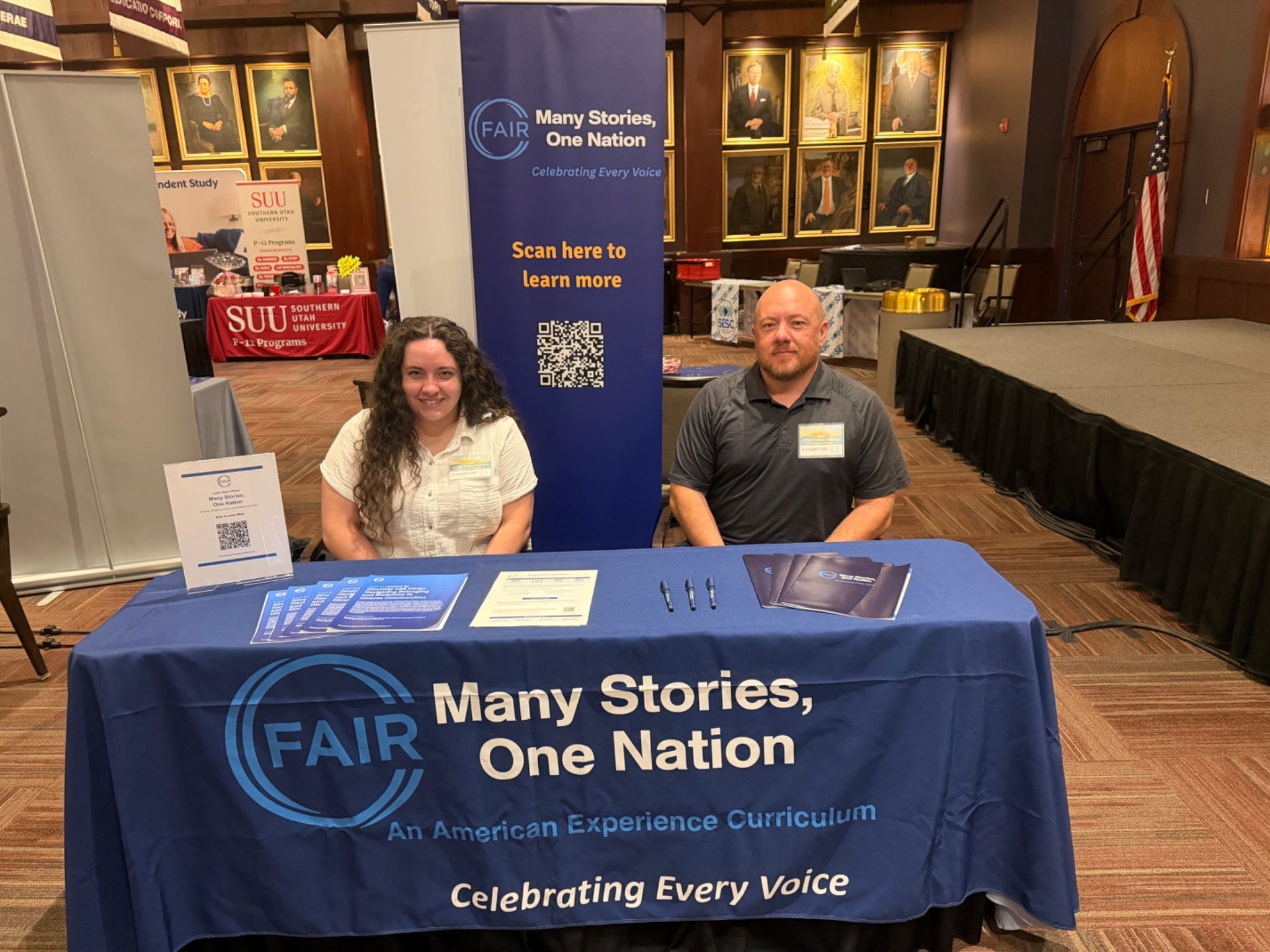
This summer, FAIR attended two important education conferences: the School Boards for Academic Excellence (SBAE) Summer Conference in Charleston and the Utah Rural Schools Association (URSA) Summer Conference in Cedar City. The feedback we received from educators and administrators has been incredibly energizing and provides valuable guidance for our work going forward.
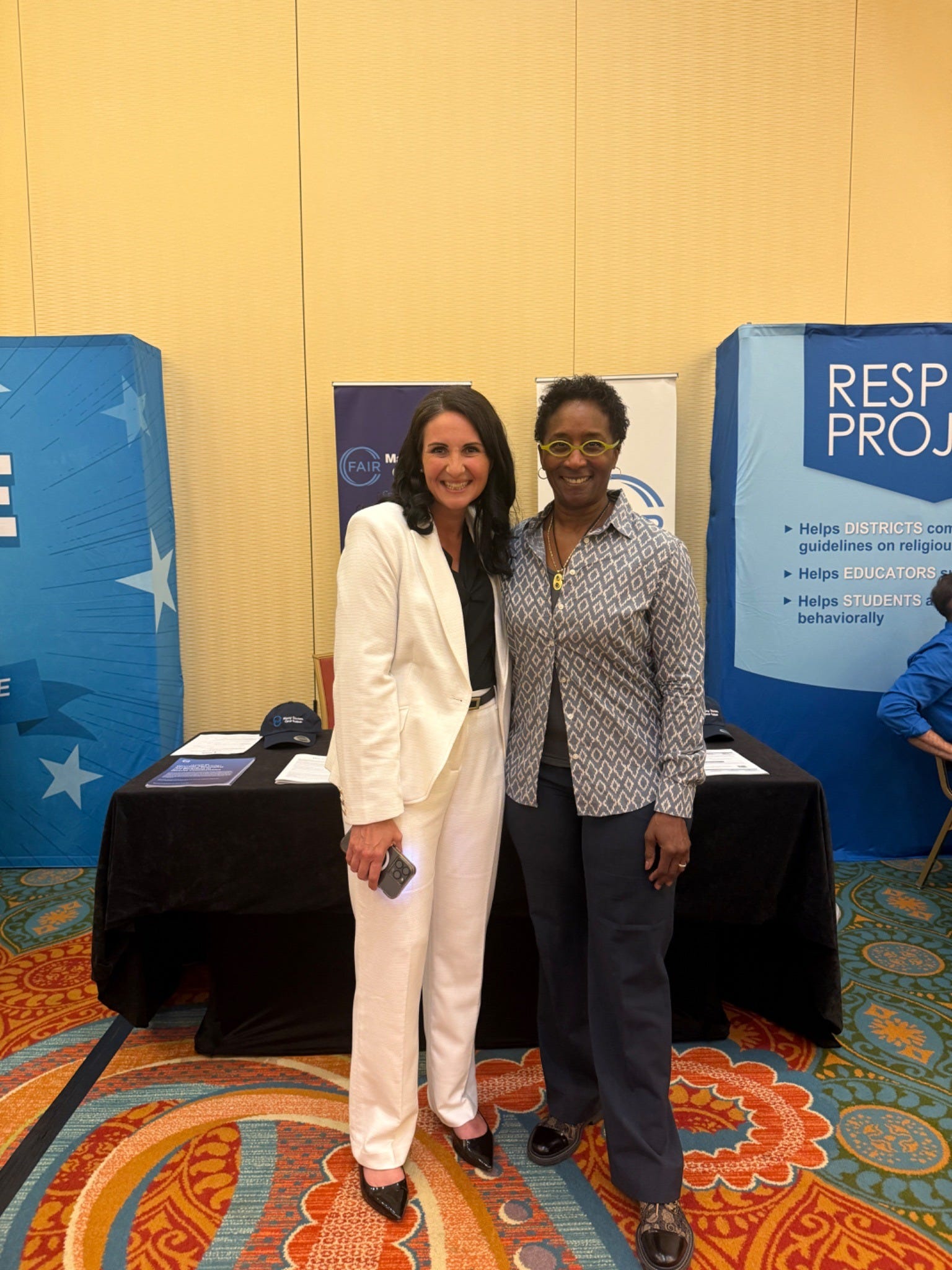
In June, FAIR Executive Director Monica Harris attended the SBAE Summer Conference in Charleston, South Carolina, an event bringing together school board members and education leaders who are navigating complex curriculum adoption decisions. What emerged was both clarifying and inspiring.
Too often, the narrative around school boards centers on disengagement or powerlessness, but SBAE painted a different picture. The board members Monica met were deeply invested in their communities, genuinely committed to finding non-polarizing alternatives to liberated Ethnic Studies, and motivated to make meaningful curriculum decisions. Many were eager to continue the conversation post-conference and discuss adoption possibilities immediately. One attendee from Georgia, whose district has struggled with polarizing curricula, became emotional describing the relief she felt upon learning about Many Stories, One Nation. It was truly a moment that captures why FAIR’s work matters and can make a difference in so many communities.
These conversations confirmed what we at FAIR have long suspected: education leaders want a curriculum that won’t create controversy and won’t sanitize history. They want assurance that their investment in rigorous instruction won’t invite backlash. Many Stories, One Nation answers those questions by teaching difficult history through civil discourse methodology while maintaining academic rigor without ideological polarization.
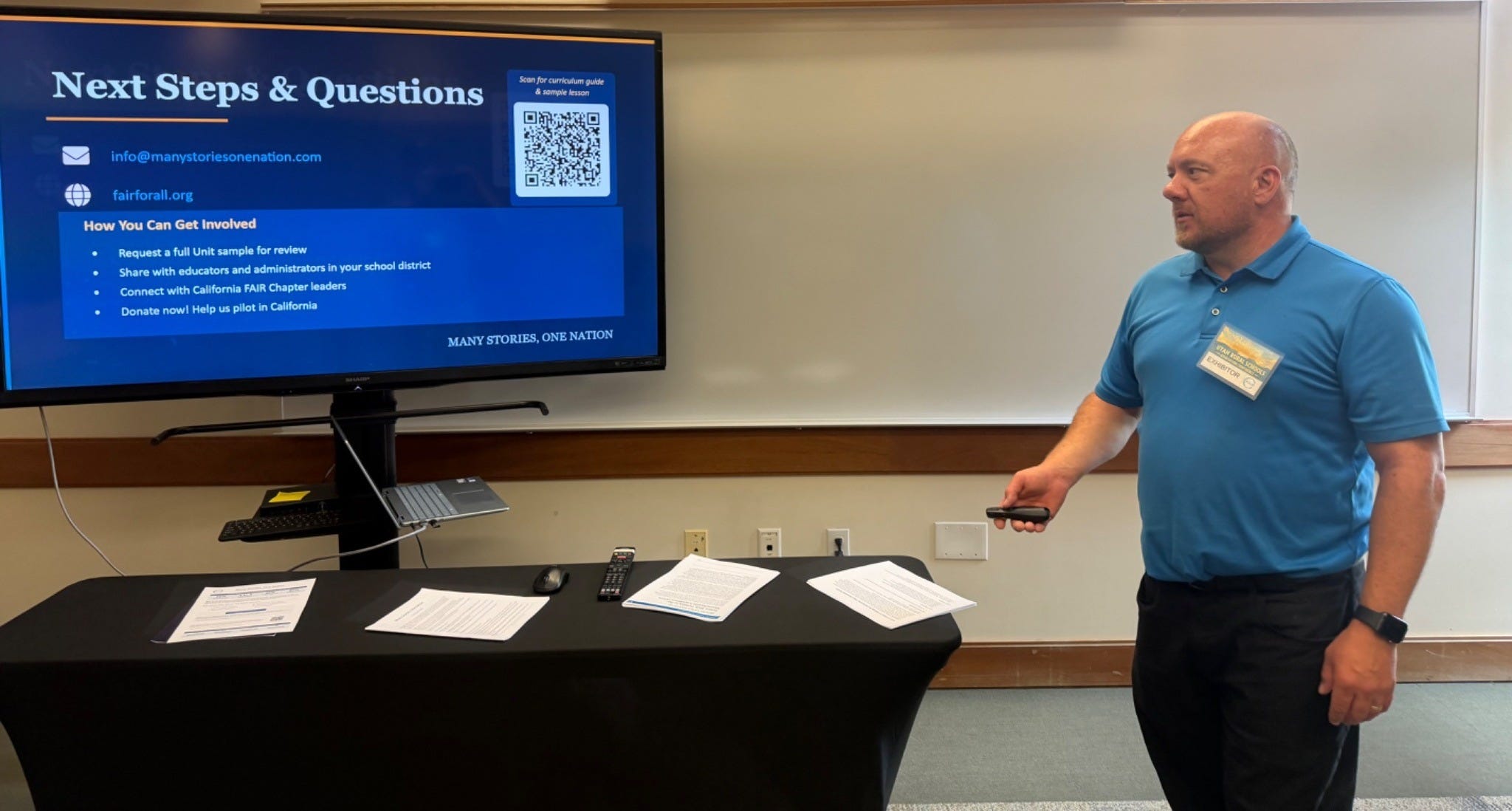
This month, Jefferson Shupe, Aly Shupe, and Gabe Brown represented FAIR at the URSA Summer Conference in Cedar City. The conversations there revealed another critical insight: adoption pathways are multiple and creative.
Chuck Woodhouse, who teaches on an Indian reservation, asked how Many Stories, One Nation treats Native American history. When Jefferson handed him Chief John Ross’s letter and showed how it connects to the Declaration of Independence, Woodhouse’s immediate response reflected what educators across the country are discovering: this curriculum is exactly what they need. Three high school history teachers realized they could integrate Many Stories, One Nation into existing courses rather than adopting an entirely new curriculum. For rural districts with limited resources, this adaptation model may prove just as powerful as standalone adoption.
What both conferences revealed is how adoption happens in practice: through relationships with decision-makers, through educator-to-educator conversations about real constraints and creative solutions, and through board members like those in Charleston who are ready to lead their communities toward more complete American history.
We’re so grateful for everyone who represented FAIR this summer, and so energized by the momentum we’re building across the country!
With gratitude,
The FAIR Team
Monica Harris
Executive Director, FAIR
Subscribe now to receive FAIR News weekly in your Inbox

As America approaches its 250th anniversary, the nation is still wrestling with some of its oldest questions: Who belongs? What does equality require? How should we understand our differences?
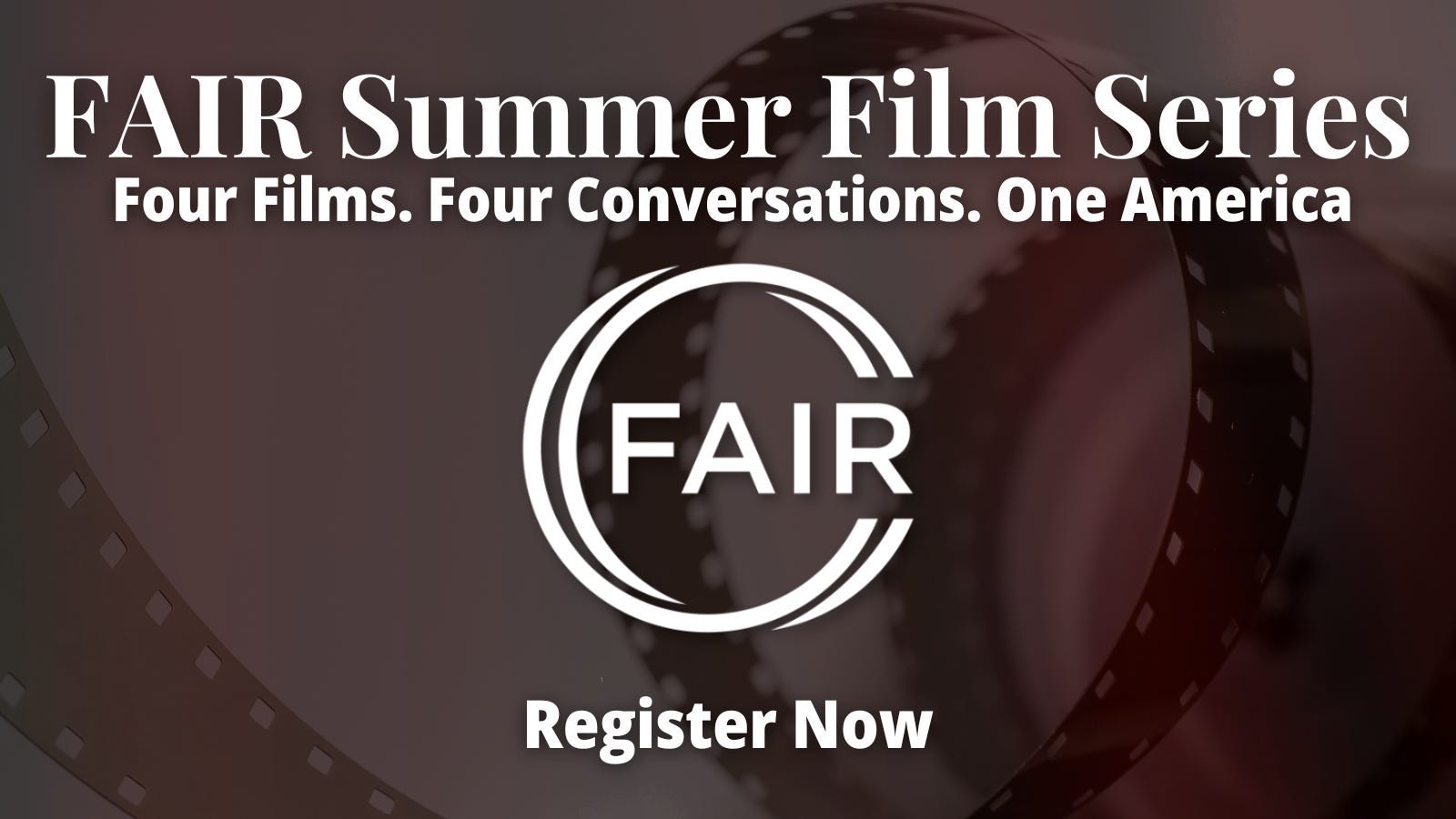
This summer, FAIR’s Film Series will explore these questions through four compelling documentaries produced by Eli Steele and discussions with filmmakers, scholars, and thought leaders.
Join us for this can’t-miss lineup:
🎬 Killing America — July 29 — 38 min run time + discussion featuring Dr. Diana Blum and Eli Steele
🎬 15 Days — August 12
FAIR in Conversation is Back!
What does it mean to have “rights”?
The foundational claim upon which our Declaration of Independence and thus our Constitution and The Bill of Rights are based is the radical belief that individuals possess rights that are inalienable and independent of government.
Our goal is to have an intellectually rigorous and inspirational conversation that aligns with FAIR’s emphasis on open inquiry and civil discourse.
FAIR in Conversation has relaunched with a new monthly format built for this moment.
Sessions will be virtual, open to all FAIR members, and designed to be as accessible as they are substantive. You don’t need to have read anything in advance. Just bring your curiosity, your willingness to listen, and your commitment to engage in good faith.
. Sessions will run monthly through September 23rd. We hope you’ll join us!

Note to readers: We have paused the FAIR News podcast. If you prefer listening, rather than reading these newsletters, an audio version is available directly on the Substack app. Thank you for tuning in!